Subject verb

grammar

Collective Nouns

  1. The team ___ (is/are) ready for the finals.
  2. The committee ___ (has/have) decided on the new policy.

Two Subjects Joined by "and"

  1. The teacher and the student ___ (is/are) discussing the project.
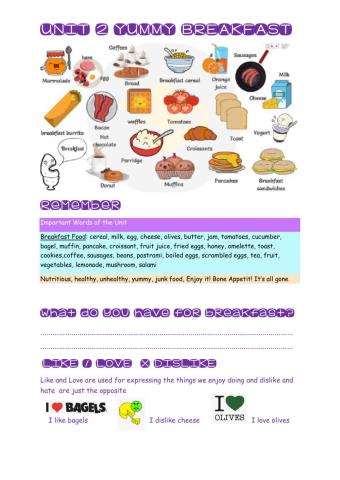
  2. Bread and butter ___ (is/are) my favorite breakfast.

Pronouns "I" and "You"

  1. I ___ (am/is) excited about the trip.
  2. You ___ (was/were) the only one who called.

Money and Measurements

  1. Five hundred dollars ___ (is/are) too much for that phone.
  2. Two kilometers ___ (seem/seems) like a short walk.

Each, Every, No One, Someone, Nobody

  1. Each of the students ___ (has/have) a textbook.
  2. Every member of the club ___ (is/are) required to attend.
  3. No one ___ (knows/know) the answer.
  4. Someone in the group ___ (wants/want) to leave early.
  5. Nobody ___ (was/were) prepared for the storm.

Either...Or, Neither...Nor, Not Only...But Also

  1. Either my brother or my sister ___ (is/are) coming to the wedding.
  2. Neither the manager nor the employees ___ (was/were) satisfied with the new rules.
  3. Not only the teacher but also the students ___ (enjoys/enjoy) the field trip.

Who, Whom, Which, That

  1. The boy who ___ (runs/run) the fastest will win.
  2. The teacher whom we ___ (respect/respects) most is retiring.
  3. The book that ___ (was/were) on the table is missing.
  4. The paintings, which ___ (is/are) centuries old, are priceless.

In Addition To, As Well As, Like, Together With

  1. The manager, in addition to the staff, ___ (was/were) present at the meeting.
  2. My friend, as well as his siblings, ___ (enjoy/enjoys) playing football.
  3. The captain, together with his crew, ___ (is/are) preparing for the voyage.
  4. A celebrity like him ___ (deserve/deserves) recognition.

All of, Most of, Some of, Part of

  1. All of the cake ___ (was/were) eaten.
  2. Most of the students ___ (is/are) studying for the test.
  3. Some of the water ___ (has/have) spilled.
  4. Part of the building ___ (was/were) damaged in the fire.

Present Perfect Tense

Writing - English Language

📝 Student Instruction: Present Perfect Tense

  1. When do we use Present Perfect?
  • To talk about actions or experiences at an unspecified time in the past.

    • I have visited Japan.
  • To talk about actions that started in the past and continue until now.

    • She has lived here for 10 years.
  • To talk about actions that happened in the past but still have a result now.

    • He has broken his leg (he can’t walk now).
  1. Form
  • Affirmative (+): Subject + have/has + past participle (V3)

    • I have eaten breakfast.
    • She has finished her homework.
  • Negative (–): Subject + have/has + not + past participle

    • I haven’t seen that movie.
    • He hasn’t called me.
  • Question (?): Have/Has + subject + past participle

    • Have you visited London?
    • Has she done her homework?
  1. Time expressions used with Present Perfect
  • just → I have just finished my homework.
  • already → She has already eaten.
  • yet → Have you finished yet? / I haven’t finished yet.
  • ever → Have you ever been to Paris?
  • never → I have never seen snow.
  • for (a period of time) → for 5 years
  • since (a starting point) → since 2010
  1. Examples
  • We have studied English for three years.
  • He has never played basketball.
  • Have they arrived yet?

👉 Practice Example:
Change the verb into Present Perfect.

  1. I (see) that movie three times. → I have seen that movie three times.
  2. She (not finish) her homework yet. → She hasn’t finished her homework yet.
  3. (they / travel) to London before? → Have they traveled to London before?

Rifqi

  • English Language
  • 7th grade

Rifqi

Literary Devices and Text Structure - English Language

🎧 Listening Activity: Daily Routine


🔹 Pre-Listening Activity


1. Look at these pictures:

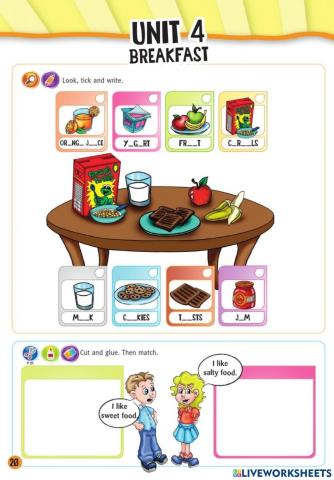
🛏️ wake up 🍚 eat breakfast 🚿 take a shower 🎒 go to school


2. Discuss with your friend:


What time do you wake up every day?


What do you eat for breakfast?


3. Listen to the dialogue and find out what Rani and Dika do in the morning.


---


🔹 Listening Dialogue


Rani: Good morning, Dika!

Dika: Morning, Rani! You came early today.

Rani: Yes, I woke up at five o’clock.

Dika: Wow! What did you do after that?

Rani: I took a shower and had breakfast with my family.

Dika: What did you eat?

Rani: I ate rice and egg. What about you?

Dika: I just drank milk because I was late!

Rani: Haha, you should wake up earlier next time.


---


🔹 Listening Comprehension Questions


1. What time did Rani wake up?

a. Four o’clock

b. Five o’clock

c. Six o’clock

d. Seven o’clock


2. What did Rani do after waking up?

a. She cleaned her room

b. She took a shower

c. She went to school

d. She watched TV


3. What did Rani eat for breakfast?

a. Bread and jam

b. Rice and egg

c. Fried rice

d. Noodles


4. Why did Dika only drink milk?

a. He was late

b. He wasn’t hungry

c. He was sick

d. He didn’t like rice


5. What does Rani tell Dika to do next time?

a

🎧 Listening Activity: Daily Routine

🔹 Pre-Listening Activity

1. Look at these pictures:
🛏️ wake up 🍚 eat breakfast 🚿 take a shower 🎒 go to school

2. Discuss with your friend:

What time do you wake up every day?

What do you eat for breakfast?


3. Listen to the dialogue and find out what Rani and Dika do in the morning.


---

🔹 Listening Dialogue

Rani: Good morning, Dika!
Dika: Morning, Rani! You came early today.
Rani: Yes, I woke up at five o’clock.
Dika: Wow! What did you do after that?
Rani: I took a shower and had breakfast with my family.
Dika: What did you eat?
Rani: I ate rice and egg. What about you?
Dika: I just drank milk because I was late!
Rani: Haha, you should wake up earlier next time.

---

🔹 Listening Comprehension Questions

1. What time did Rani wake up?
a. Four o’clock
b. Five o’clock
c. Six o’clock
d. Seven o’clock

2. What did Rani do after waking up?
a. She cleaned her room
b. She took a shower
c. She went to school
d. She watched TV

3. What did Rani eat for breakfast?
a. Bread and jam
b. Rice and egg
c. Fried rice
d. Noodles

4. Why did Dika only drink milk?
a. He was late
b. He wasn’t hungry
c. He was sick
d. He didn’t like rice

5. What does Rani tell Dika to do next time?
a. Sleep late
b. Wake up earlier
c. Bring food to school
d. Study more

. Sleep late

b. Wake up earlier

c. Bring food to school

d. Study more

Crea y personaliza fichas interactivas para cada aula

LiveWorksheets facilita a profesorado, familias y personas que educan en casa el diseño y la entrega de materiales de aprendizaje atractivos. Solo tienes que subir un PDF o empezar desde cero para crear lo que necesites: desde fichas interactivas de matemáticas hasta ejercicios de comprensión lectora, fichas de multiplicación o actividades para infantil, todo en unos pocos clics. Nuestro editor de arrastrar y soltar funciona en todos los cursos y asignaturas, lo que te permite adaptar el contenido a tus programaciones, deberes o evaluaciones. Quienes enseñan inglés como segunda lengua (ESL) también pueden crear sus propias fichas, añadir cuadros de sonidos comunes o integrar actividades de ESL para hacer cada clase más participativa. Además, podrás diseñar fácilmente tareas diferenciadas y autocorregidas que ahorran tiempo y apoyan un mejor aprendizaje del alumnado.

Una biblioteca completa de recursos para K-12 y ESL

Accede a miles de fichas listas para usar en todas las asignaturas de K-12, incluidas actividades para infantil, matemáticas, práctica de multiplicación, comprensión lectora y recursos de ESL. Filtra por curso, materia o nivel de competencia para encontrar exactamente lo que necesitas, ya sea para un aula de primaria, una revisión en secundaria o actividades de práctica en bachillerato. El profesorado de ESL puede explorar nuestra colección en constante crecimiento de fichas y actividades de inglés como segunda lengua, diseñadas para apoyar a estudiantes de todos los niveles. Con nuevo contenido añadido de forma regular, LiveWorksheets es un recurso flexible que ayuda a lograr aprendizajes duraderos.