 ¿Quieres miles de fichas gratuitas (y cero distracciones)?


35 Animals That Start With V (w/ Photos, Facts & Pronunciations)
From the infamous Vampire Bat to the endangered Vaquita, the letter V unveils a vibrant variety of creatures.
This guide explores 35 animals that start with V, packed with amazing photos, mind-blowing animal facts, and easy pronunciations.
Perfect for students, teachers, and curious minds, get ready to venture through our comprehensive list!
List of 35 Animals That Start With The Letter V
The animal kingdom offers countless fascinating creatures and remarkable diversity. Whether you're teaching about reptiles or marine life, these animal names that start with V provide excellent educational opportunities.
1. Vampire Bat
The vampire bat earns its chilling name by feeding exclusively on blood.
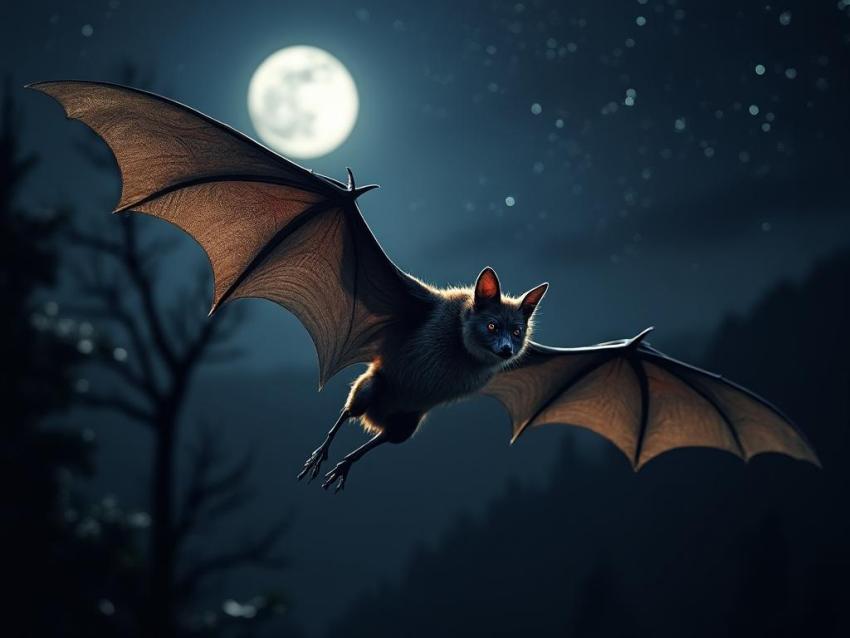
But here’s the truth: it doesn’t suck, it laps it up after making a tiny cut.
These nocturnal mammals can drink up to half their body weight in one night. And get this, they even run on the ground, unlike most bats.
2. Vulture
Vultures act as nature’s cleanup crew.
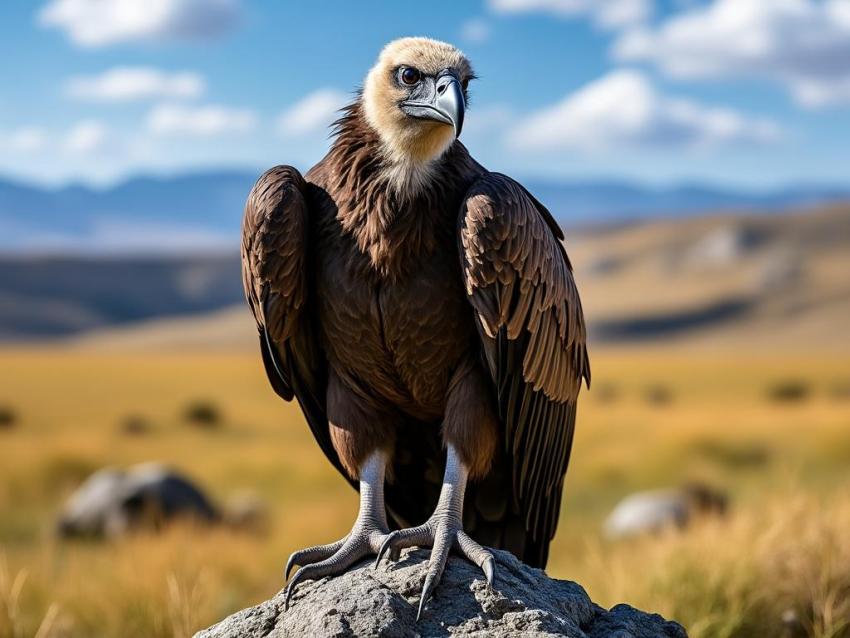
These big scavenging birds soar high and spot carcasses from miles away. With extremely acidic stomach acids, they digest rotten meat safely. There are about 23 vulture species worldwide.
3. Viper
A viper is a venomous snake equipped with hinged, two-inch fangs. Found nearly everywhere except Antarctica and Australia, vipers stand out because they give birth to live young, a rarity among snakes.
4. Vaquita (Porpoise)
The vaquita is the world's smallest cetacean and the most critically endangered marine mammal.
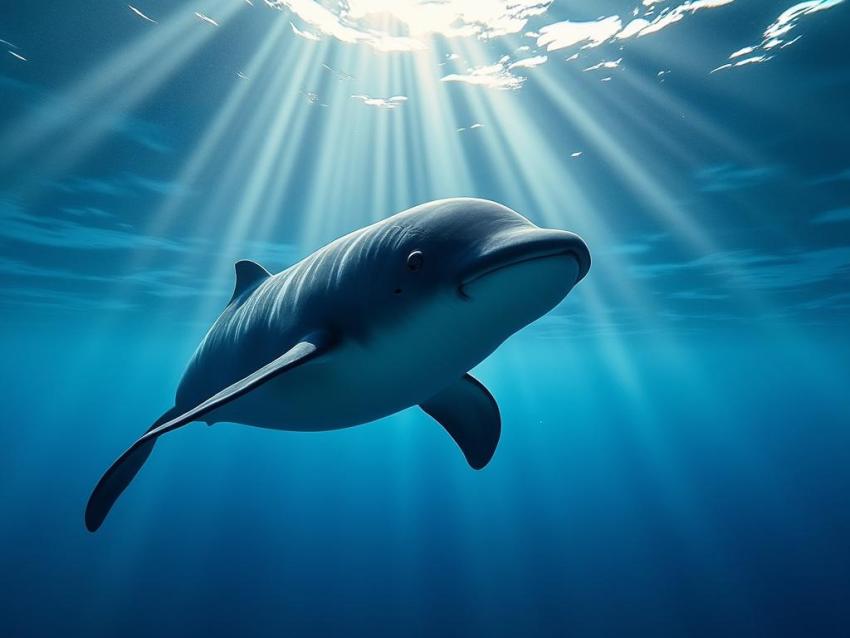
With only about 10 individuals left in the wild, this porpoise faces extinction.
Found exclusively in the northern Gulf of California, Mexico, conservation efforts continue to save this species.
5. Vicuña
The elegant vicuña roams the high Andes.
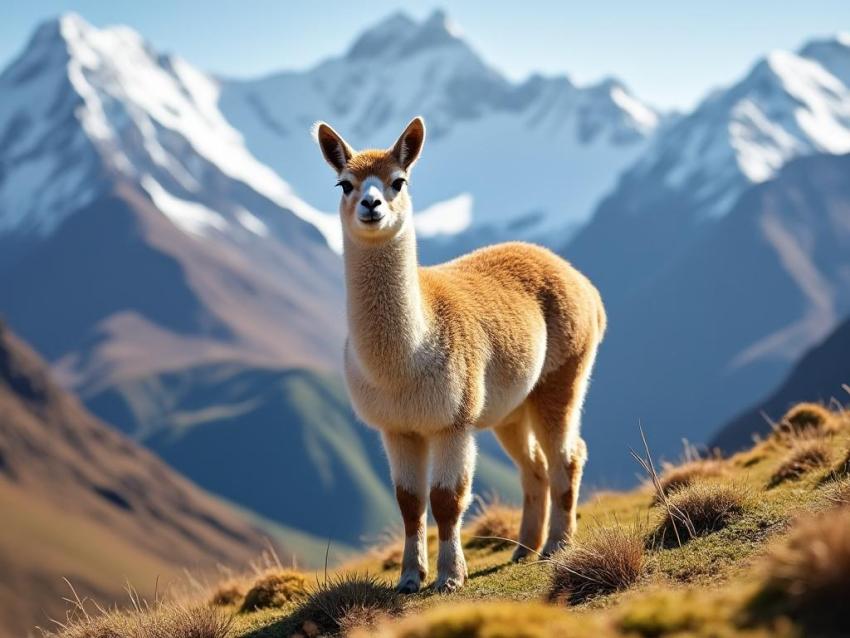
This wild camelid produces the world’s finest wool. Thanks to dedicated conservation, its population has rebounded to around 350,000 individuals.
6. Vervet Monkey
African forests are home to the clever vervet monkey, a primate known for its 36 distinct vocal calls.
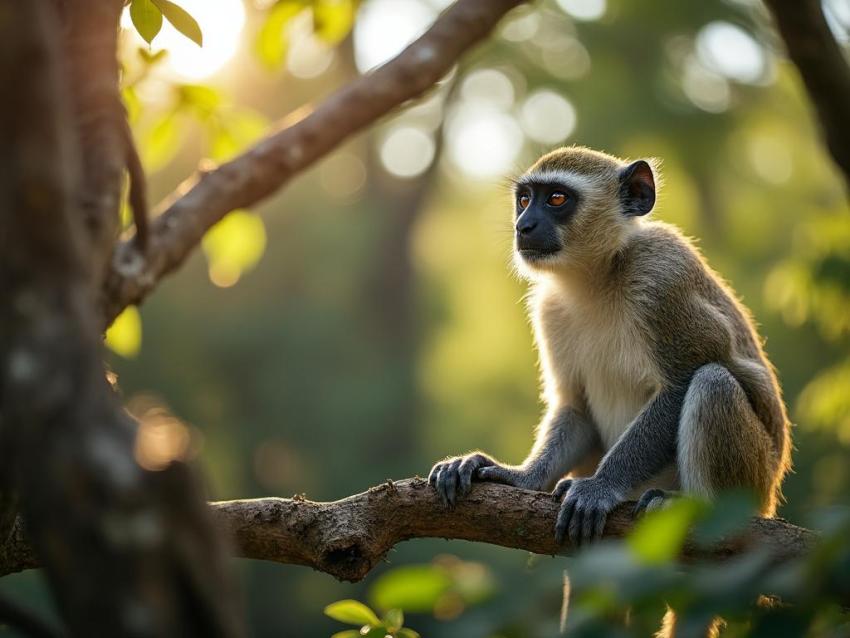
They warn each other about predators with specific cries and navigate both trees and ground skillfully.
7. Velvet Worm
A living fossil, the velvet worm has existed for over 500 million years. It’s a carnivore that shoots sticky glue to trap prey and then devours insects with its jaws.
8. Velvet Ant
Despite the name, the velvet ant is a wingless wasp, not an ant. The females pack a painful sting so potent they’re nicknamed “cow killers.” These solitary insects don’t live in colonies.
9. Vinegaroon
Also known as whip scorpions, vinegaroons aren’t harmful to people.
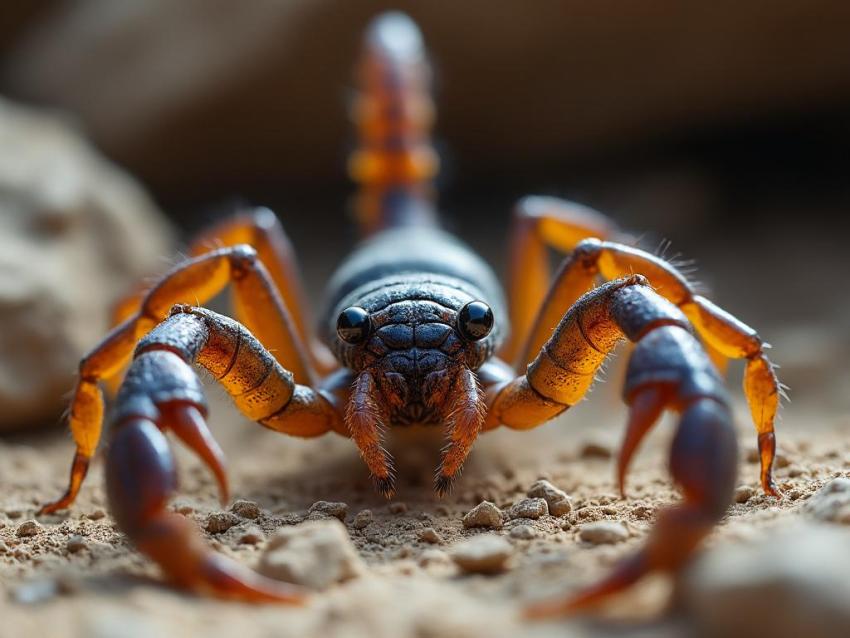
When threatened, they spray a vinegar-scented mist from their tails. Mothers carry eggs on their bellies and young on their backs after hatching.
10. Viperfish
Deep in the sea lurks the viperfish, with menacing teeth and a bioluminescent lure to tempt prey in pitch darkness.
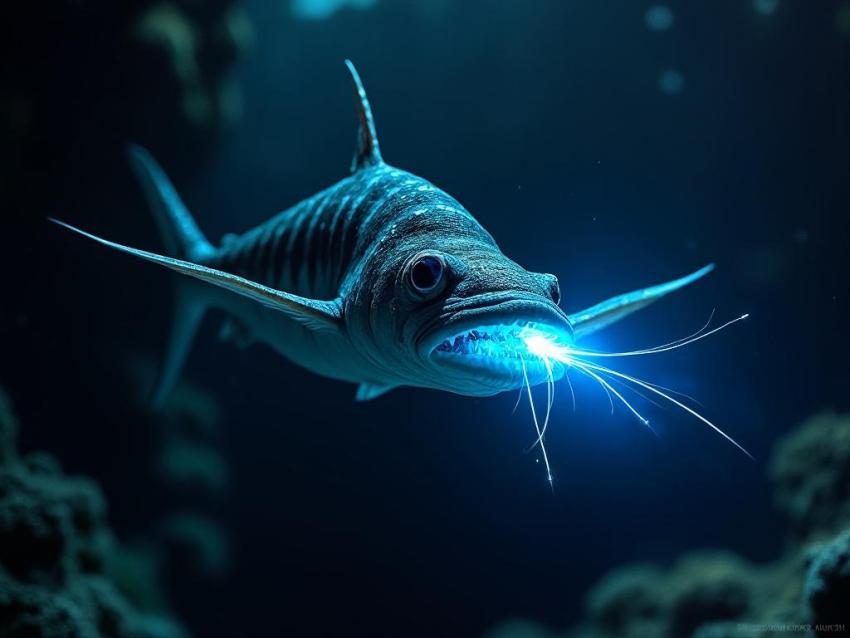
They thrive nearly three kilometers deep in ocean trenches.
11. Vine Snake
The vine snake blends in so well it looks like a vine. Equipped with binocular vision and mild venom, it hunts stealthily. Thankfully, it's not a significant threat to humans.
12. Varied Thrush
This Pacific Coast beauty, the varied thrush, enchants listeners with its haunting melody. These forest birds can get aggressive during food competition, but their songs make nature’s soundtrack unforgettable.
13. Volcano Rabbit
From the slopes of four Mexican volcanoes comes the volcano rabbit, the world’s second-smallest rabbit.
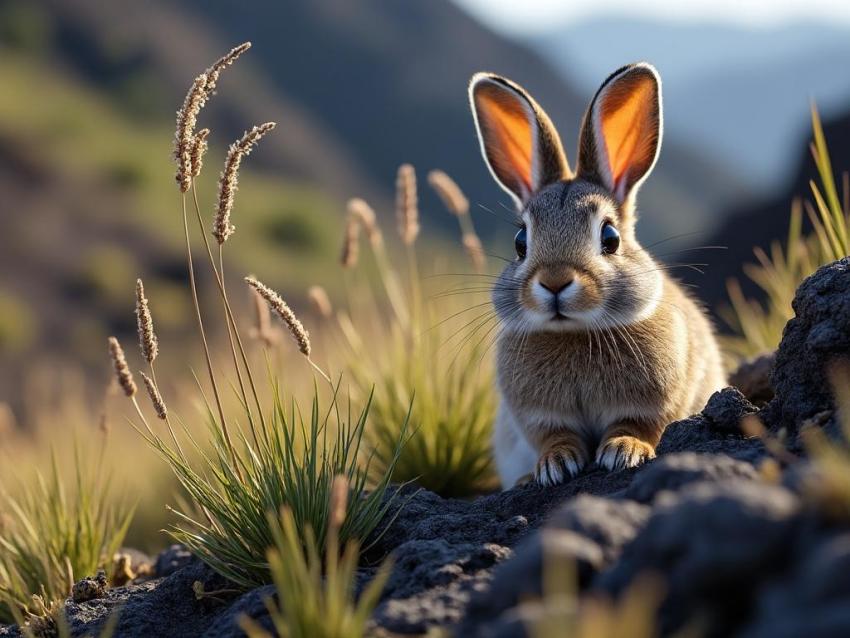
With round ears and dense fur, it hides in tall grasses for protection.
14. Virginia Opossum
The only marsupial in North America, the Virginia opossum, is famous for its “playing possum” act. They feign death when in danger. Plus, its gestation period lasts only 13 days, the shortest among mammals.
15. Verreaux's Sifaka
Madagascar’s Verreaux’s sifaka, or “dancing lemur,” moves across ground by hopping sideways, arms raised for balance.
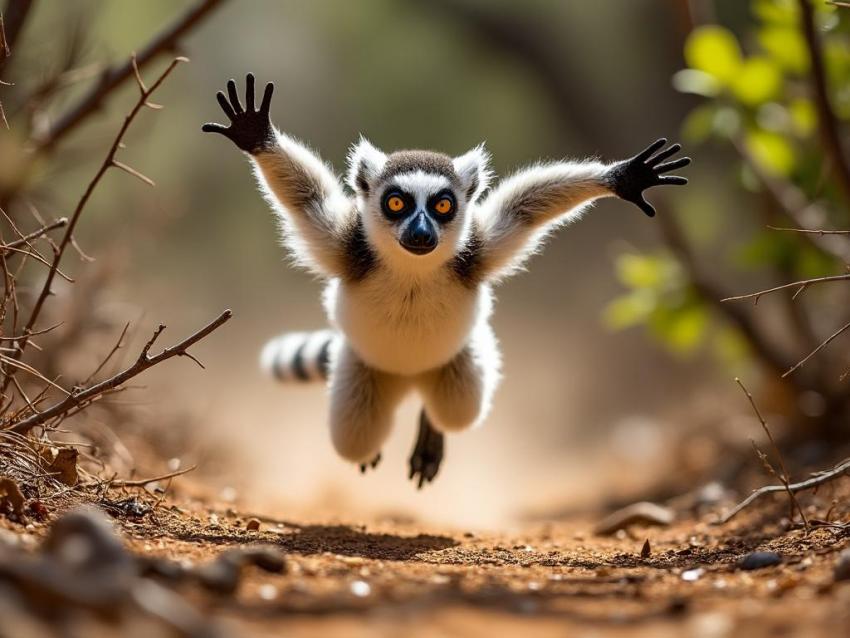
Sadly, it’s critically endangered due to habitat loss.
16. Vole
Tiny yet prolific, the vole is a rodent often mistaken for a mouse. They breed fast; a female can produce a dozen babies every three weeks. North America hosts nearly 70 vole species.
17. Velvet Belly Lantern Shark
Under the waves swims the velvet belly lantern shark, a deep-sea shark named for its glowing belly. Its bioluminescence disguises it from predators below.
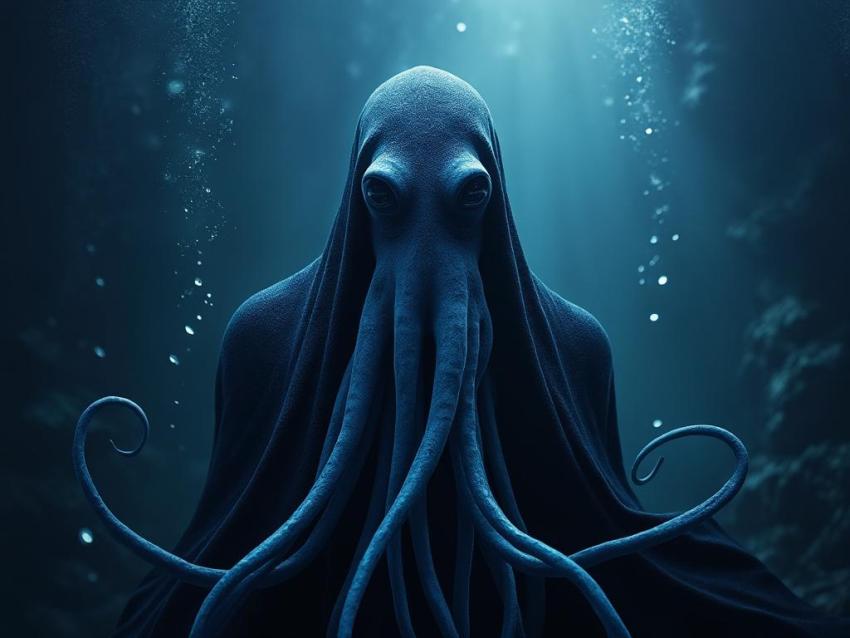
18. Vampire Squid
Don’t be fooled by its name—the vampire squid doesn’t drink blood. It feeds on “marine snow,” organic matter that drifts down from the surface. When scared, it wraps itself in its webbed arms like a cloak.
19. Varanus (Monitor Lizard)
This genus includes giants like the Komodo dragon, Earth’s largest lizard at three meters long.
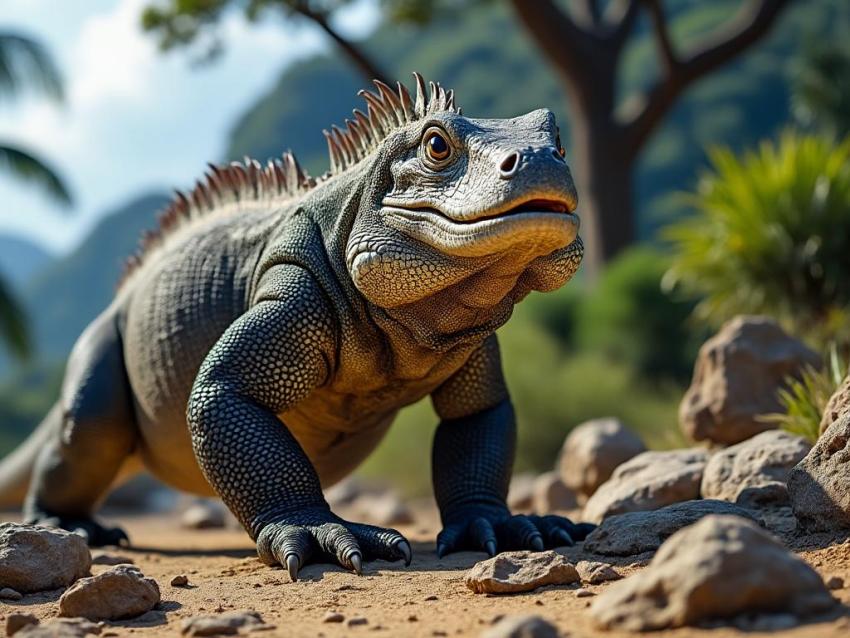
Equipped with forked tongues, monitor lizards “smell” the air for prey.
20. Visayan Warty Pig
Native to the Philippines, the critically endangered Visayan warty pig sports distinctive facial warts. These daytime pigs live in small family groups of five or six.
Creating interactive worksheets about these animals can help students learn more effectively.
21. Veiled Chameleon
Known for bothits color-changing and independently rotating eyes, the veiled chameleon adapts to temperature, mood, and light.
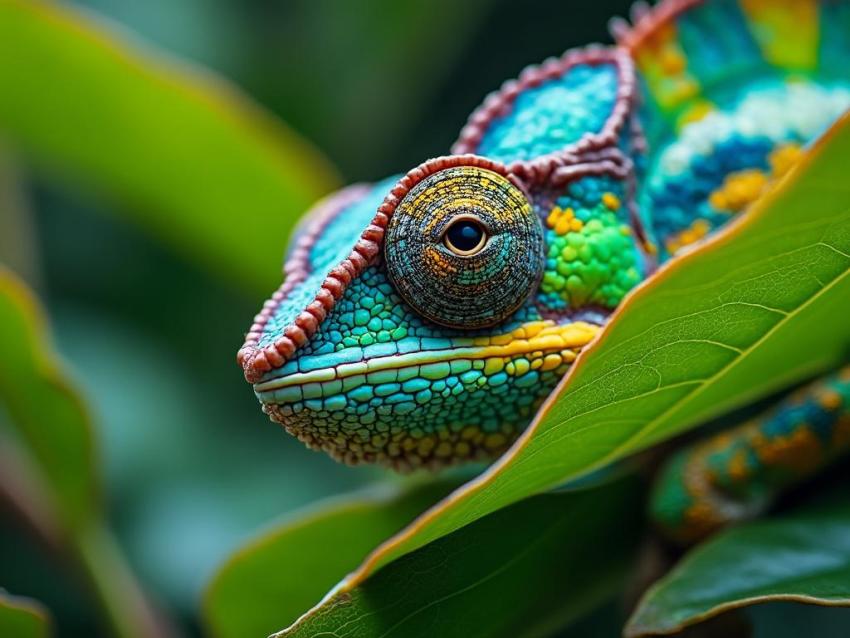
They hail from Yemen and Saudi Arabia, thriving in various habitats.
22. Vietnamese Mossy Frog
The Vietnamese mossy frog is an expert in camouflage, resembling a patch of damp moss. When threatened, it curls into a ball and plays dead.
23. Velvet Crab
Found in UK waters, the velvet crab has spiky, hairy shells covered in fine velvet. Handle them with care because they can be aggressive.
24. Vireo
Vireos are small, mostly green songbirds across the Americas. Male vireos often help incubate eggs—a rare trait in many forest birds. Their diet helps control insect populations.
25. Velvet Mite
These tiny red arachnids look like specks of velvet. Adult mites feed on garden pests, while their larvae parasitize other insects. That makes them natural pest controllers.
Many teachers use animal studies for science fair ideas, as they provide excellent research opportunities for students of all ages.
26. Varied Carpet Beetle
This household pest's larvae munch on carpets, clothing, and upholstery. But the adults? They feed on pollen and nectar—harmless to gardens.
27. Vietnamese Pot-Bellied Pig
The Vietnamese pot‑bellied pig is a small domestic pig renowned for its intelligence. With short legs and loose skin, they resist parasites well, making playful, trainable pets.
28. Variable Harlequin Frog
This critically endangered frog dazzles with varied color patterns. During breeding, males clasp females tightly in an embrace called amplexus, sometimes lasting weeks, and lose 30% of their body weight.
29. Vulture Bee
A bizarre twist in the bee world, the vulture bee eats rotting flesh. They chew into carcasses and still make honey.
30. Venezuelan Red Howler
One of the loudest animals on Earth, the Venezuelan red howler can be heard from a distance of five kilometers.
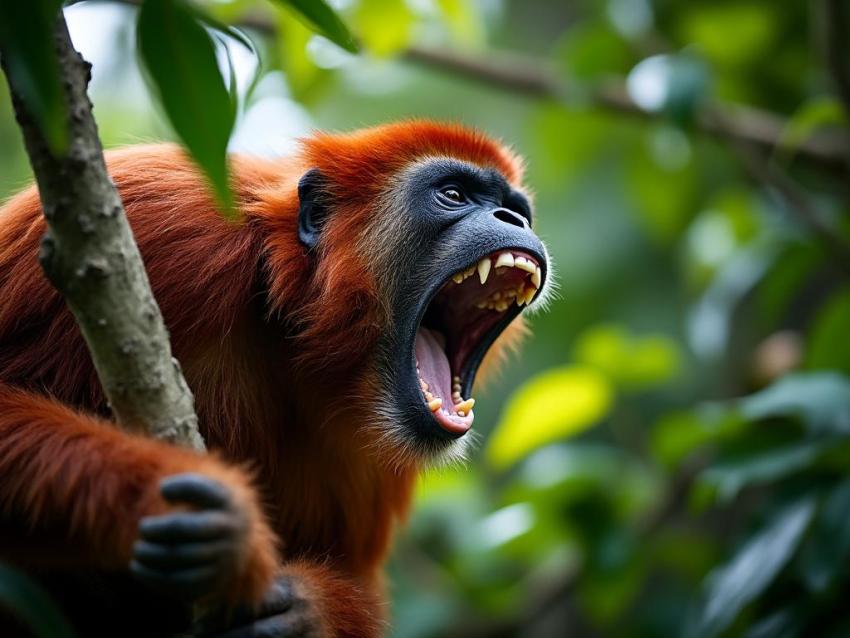
Their vocal groups establish territory and social bonds.
31. Verreaux's Eagle-Owl
Africa’s Verreaux’s eagle‑owl, also called the Milky Eagle Owl, tops the charts as the continent’s biggest owl. It hunts large prey, sometimes even monkeys, and features distinctive pink eyelids.
32. Victoria Crowned Pigeon
Named for Queen Victoria, this majestic New Guinea native has a lacey, blue crest.
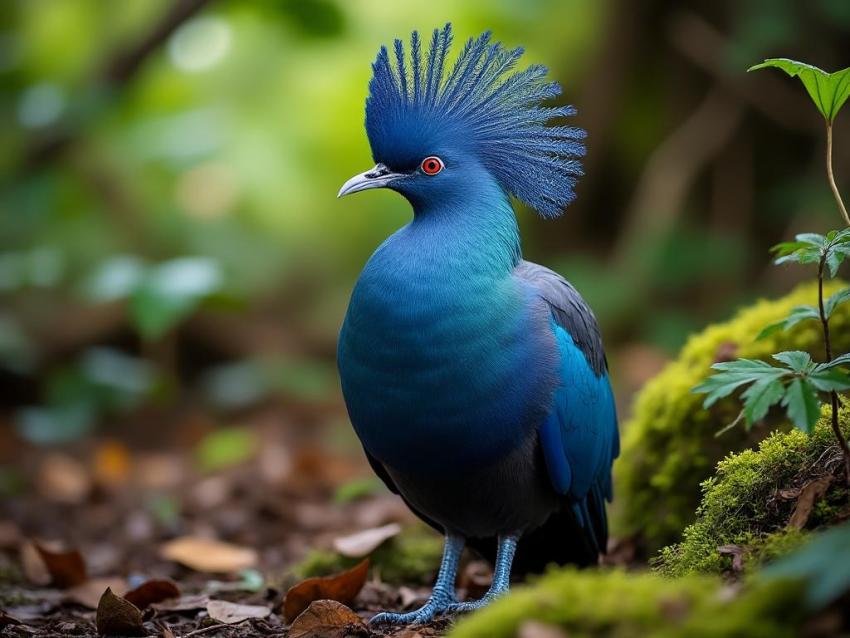
It’s among the largest pigeon species worldwide, and unforgettable in any bird lesson.
33. Vogelkop Bowerbird
The male Vogelkop bowerbird is a master architect, building elaborate hut-like structures called bowers. He decorates these bowers with brightly colored objects like flowers, berries, and beetle shells to attract potential mates.
34. Variable Pitohui
This striking bird is one of the few poisonous birds on the planet. Its skin and feathers carry neurotoxins derived from their insect diet—nature’s own chemical defense.
35. Viscacha
Sunbathing on rocks in South America, the viscacha is a social, rabbit‑like rodent with a long, squirrel‑style tail. Babies are born fully furred and ready‑to‑eat solids in mere hours.
Looking to create visual materials about these animals? Check out our worksheet creation techniques to make learning more engaging.
Frequently Asked Questions About Animals That Start With V
What animals begin with the letter V?
Common animal names starting with the letter V include vampire bats, vultures, vipers, vaquitas, vicuñas, vervet monkeys, voles, and Virginia opossums. Our comprehensive list covers 35 different species.
What sea animal starts with V?
Several marine animals start with V, including the vaquita (critically endangered porpoise), vampire squid, viperfish, and velvet belly lantern shark. The vaquita is particularly notable as the world's smallest cetacean.
What animals start with U and V?
Animals starting with U include umbrella bird, urial, and uakari. For V animals, examples include vampire bat, vulture, viper, vaquita, and vicuna. Both letters offer diverse species across different animal groups.
What is a rodent animal that starts with V?
The vole takes the lead here. Small and prolific, voles reproduce rapidly—sometimes producing a dozen babies every few weeks. Viscachas are another rodent option; these South American animals are social and visually striking.