


What Kids Learn in Kindergarten: A Curriculum Guide for Homeschool Families
Starting your child’s kindergarten year is a big step, especially if you’re new to homeschooling. With so many options available, it can be overwhelming to know what your child truly needs during these early years. This guide walks through what a typical kindergarten curriculum includes, how young students learn best, and how to make the experience enjoyable, meaningful, and developmentally appropriate as they graduate from being a preschooler.
Understanding the Kindergarten Year
Kindergarten is about building a strong foundation not just academically, but socially, emotionally, and physically. For many children, this is their first introduction to structured learning, whether through a formal kindergarten program or online kindergarten curriculum. Most early childhood educators agree that the emphasis should be on play-based, hands-on learning that supports the development of early literacy skills, number sense, and motor skills.
A comprehensive curriculum will typically work on the skills for kindergarteners:
- Early literacy and phonics
- Reading and math
- Math skills like learning to add and subtract
- Science and nature walks
- Fine motor development and handwriting
- Foundational social studies concepts
- Plenty of time for art, music, and imaginative play
Whether you’re exploring a classical curriculum, Charlotte Mason philosophy, or a modern online kindergarten homeschool, there are resources that fit every family.
Literacy in Kindergarten
Most curriculum options begin with phonics and letter recognition. Students learn to identify each letter of the alphabet, connect it with sounds, and gradually begin learning to read. A strong literacy program may include:
- Recognize and name uppercase and lowercase letters
- Understand that letters make sounds (phonics)
- Blend sounds to form simple CVC (consonant-vowel-consonant) words (e.g., cat, bed, dog). You can learn more about these in our blog "What Are CVC Words? (+Huge CVC Word List & Worksheets)
- Identify rhyming words and syllables
- Hold a pencil, trace shapes, and begin writing letters
If your kindergartener is showing readiness, some programs also include beginner grammar or early spelling.
Math in the Kindergarten
A kindergarten math curriculum is centered around building number sense. It introduces children to numbers, counting, comparing, simple patterns, and basic addition and subtraction. Many curriculum options also include:
- Count to 100 by 1s and 10s
- Identify numbers 0–20 and understand what they represent
- Compare groups to see which has more or fewer items
- Sort by color, shape, and size
- Recognize patterns and repeat them
- Begin simple addition and subtraction within 10
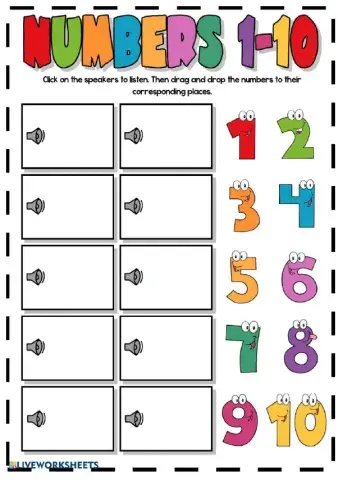
Here's a fun activity that includes audio. Students have to drag the correct number to its audible name, allowing students to explore independence in learning.
Science, Social Studies, and Nature
Children are naturally curious, and kindergarten science builds on that curiosity through play and discovery. Kids explore:
- Animal facts (33 animals that start with the letter T)
- Weather and seasons
- Plant and animal life cycles
- The five senses
- Basic properties of materials (hard/soft, float/sink)
Science lessons might include observing insects, planting seeds, tracking the weather, or watching a melting ice cube. These activities also promote early scientific thinking skills.
Developing Fine Motor and Social Skills
Young students benefit from time to build fine motor skills through:
- Coloring and cutting
- Playdough and clay
- Tracing letters and shapes
- Copywork and early cursive
Social development also matters. Even in a homeschool setting, arranging playdates, attending co-op classes, or visiting museums provides valuable social interaction.
Typical Kindergarten Homeschool Schedule
A typical kindergarten schedule is short and flexible, often lasting 1–2 hours of formal instruction in the morning. Remember, attention spans are still developing. Here’s a general rhythm many homeschool parents follow:
- Morning meeting (calendar, weather, storytime)
- Literacy block (phonics, read-alouds, writing)
- Snack and playtime
- Math and number games
- Thematic units or science exploration
- Art, music, or movement
- Free play or outdoor recess
Some days may include music, PE, cursive practice, or additional hands-on activities. The goal is to make space for play and nurture a love of learning.
Choosing a Kindergarten Homeschool Curriculum
There’s no one-size-fits-all program, and the best curriculum is the one that fits your child’s learning style and your teaching preferences. Whether you’re seeking a classical curriculum like Memoria Press, an early learning program with strong phonics, or a Christian homeschool option, your local homeschool community or library can be great sources of insight.
Many families try a blend of materials. For example, you may choose a phonics-based core curriculum for literacy, supplement math with games, and use a kindergarten curriculum manual that has every day mapped out. Others prefer to homeschool a kindergartener using a more relaxed, literature-rich approach.
When you’re new to homeschooling, it’s easy to get caught up in curriculum comparison. Remember, the curriculum you choose should support not control your home education.
Recommended Resources
If you're teaching kindergarten at home or looking to support your child's learning, try using Liveworksheets and Rosimosi together.
Liveworksheets provides thousands of interactive worksheets across subjects like math, phonics, handwriting, and ESL. These can be completed online or printed for extra practice. Many worksheets align with common kindergarten topics and offer instant feedback to learners.
Rosimosi offers educational learning games designed specifically for kindergarteners. These app-based games support early reading, counting, sorting, shape recognition, and problem-solving through age-appropriate, engaging activities. It's especially helpful for reinforcing skills in a fun, low-pressure way.
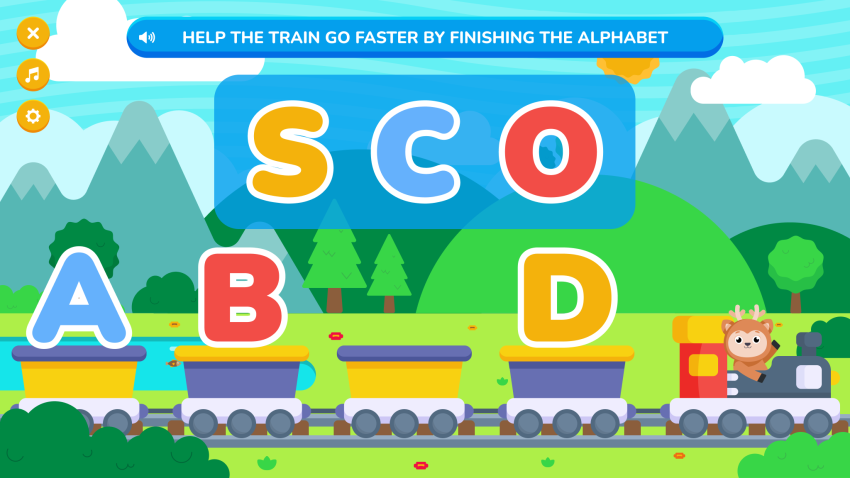
Using tools like these together can create a flexible, well-rounded supplement for any kindergarten program.
Frequently Asked Questions
Do I need to register with my state to homeschool my kindergartener?
Homeschool laws vary by state. Some states require notification or registration, even at the kindergarten level, while others don’t mandate school attendance until age 6 or 7. Check your local homeschool regulations to ensure compliance.
How can I tell if my child is progressing in a homeschool setting?
Progress can be measured through regular observation, informal assessments, milestone checklists, or optional standardized testing. Tracking letter recognition, number fluency, and handwriting samples helps gauge development.
How do I plan a homeschool schedule for kindergarten?
Start by listing your subjects, choosing a routine that fits your family, and aiming for short, consistent lessons. Many families follow a 4-day week with flexible afternoons for exploration or play.