


33 Animals That Start With T (with Photos, Facts & Pronunciations)
Looking for animals that start with T?
This list is made for curious minds. Whether you’re building a vocabulary lesson, diving into habitats, or just want to spark some wide-eyed wonder, these 33 creatures have you covered.
From fierce tigers to tiny tarsiers, you’ll find interesting facts and easy pronunciation guides. Some live in trees. Others roam forests. A few swim across oceans. But they all begin with one letter—T.
Famous Animals Starting with T: Tiger, Toucan, and Turtle
You probably already know some of these popular animals that start with the letter T. But do your students? These all-stars are perfect entry points for building science discussions that stick.
Tiger
(Pronunciation: TY-gur)
Tigers are the biggest cats in the animal kingdom. Each one has its stripe pattern, just like a fingerprint, but furry.
With fewer than 4,000 left in the wild, tigers are endangered and powerful symbols of conservation. They roam through Asian forests and grasslands, hunting silently and alone.
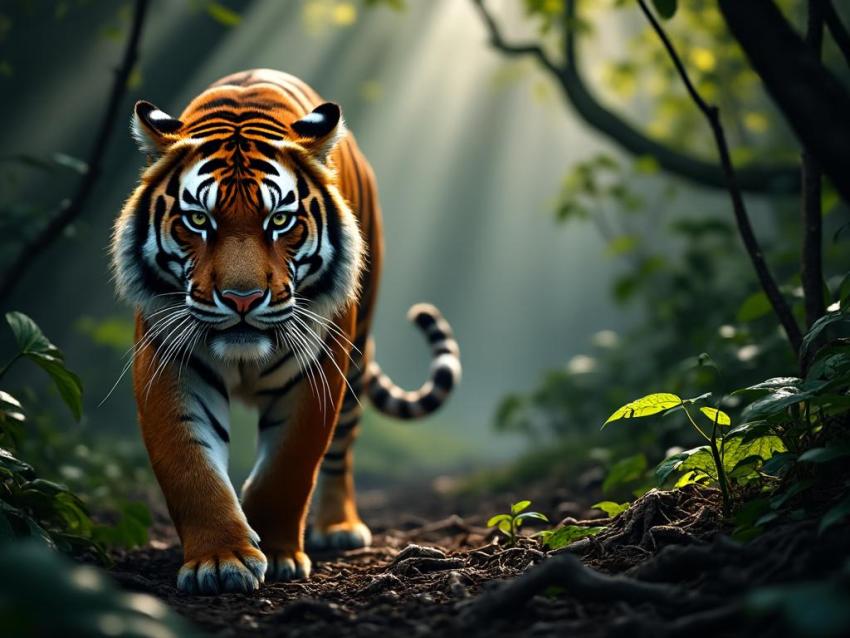
Want to introduce animals that begin with T? Start here.
Toucan
(Pronunciation: TOO-kan)
That oversized, colorful beak? It’s not just for show. The toucan’s beak is surprisingly light, helping it grab fruit
and cool off in the steamy rainforest.
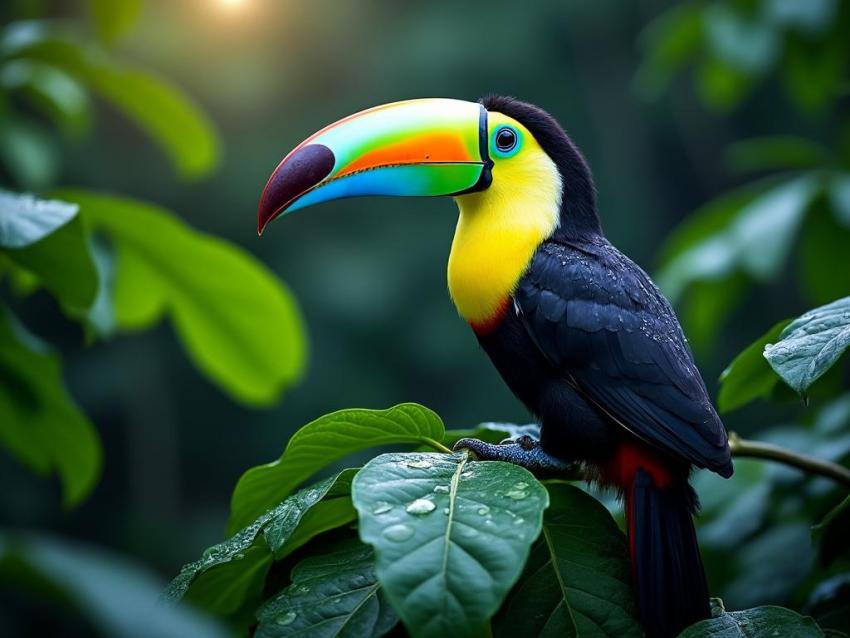
They’re tree-dwellers from Central and South America, and they make bird lessons instantly more engaging.
Turtle
(Pronunciation: TUR-tuhl)
Turtles are tough. They’ve been around forever, and some live more than 100 years! With 360 species on Earth, they pop up in oceans, rivers, and even deserts.
Sea turtles, in particular, are migration masters. They travel thousands of miles using Earth’s magnetic field as a guide.

Turkey
(Pronunciation: TUR-kee)
Turkeys aren’t just for Thanksgiving. Wild ones can run up to 20 miles per hour and fly short bursts when startled. They're faster than you'd expect.
Fun fact? Benjamin Franklin once suggested that the turkey become America’s national bird. This popular animal blends speed, history, and surprising skill.
Tarantula
(Pronunciation: tuh-RAN-chuh-luh)
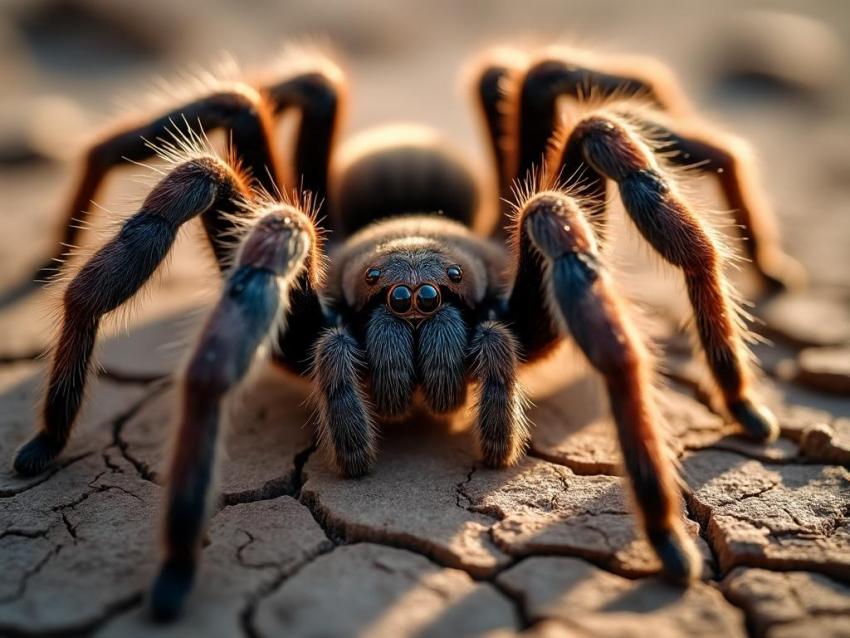
Tarantulas are large, hairy spiders found all over the world. With more than 1,000 species, they’ve earned a spooky reputation.
But here’s the twist: most aren’t dangerous.
Instead of biting, they flick tiny hairs when threatened. Most tarantula bites feel like a bee sting at worst. Use this example to bust myths and explore insect defense strategies.
Unique Mammals: From the Tasmanian Devil to the Tapanuli Orangutan
These creatures, beginning with the letter T, demonstrate just how strange and amazing mammals can be. From mountain tops to jungle floors, this group travels some serious terrain, literally and scientifically.
Tasmanian Devil
(Pronunciation: taz-MAY-nee-uhn DEV-uhl)
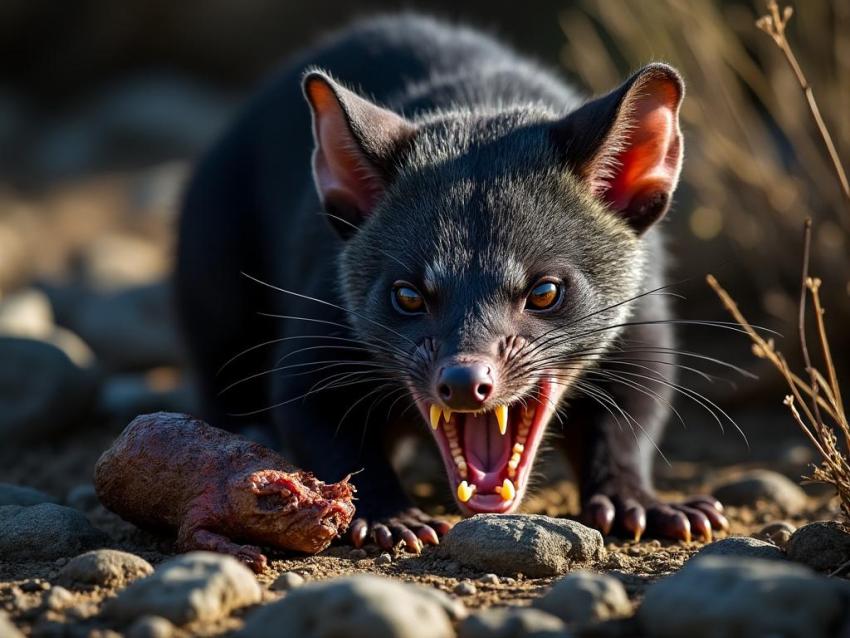
You’ve probably heard of this one, but it’s more than a cartoon. The Tasmanian Devil lives only in Tasmania and holds the title for the largest carnivorous marsupial. Its bite is bone-crushing.
But the real surprise? It’s nature’s cleanup crew. These fierce little guys help keep ecosystems healthy by feeding on carrion.
Tapanuli Orangutan
(Pronunciation: tah-pah-NOO-lee oh-RANG-uh-tan)
Here's an unusual gem: the Tapanuli orangutan.
With fewer than 800 remaining, it's the world's most endangered great ape. In 2017, it was found as a new species, living deep in Sumatra's forests. For conservation lessons, this is an impactful one.
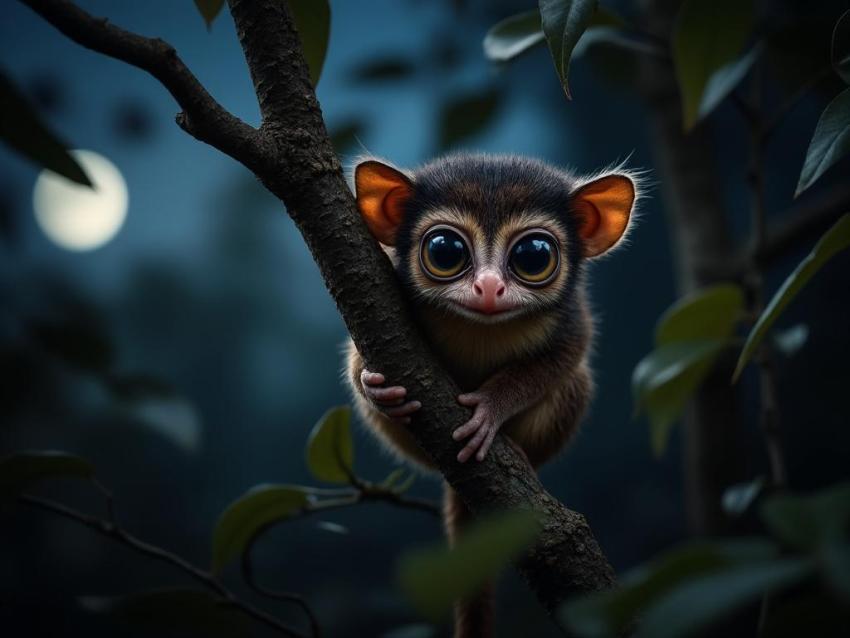
Tarsier
(Pronunciation: TAR-see-er)
Up next is the tarsier, a tiny primate with eyes as big as its brain!
These nighttime predators bound from tree to tree with ease and employ their massive eyes for nighttime vision. Their unique biology makes them a standout in any animal facts lesson.
Takin
(Pronunciation: TAH-kin)
Built as a tank but as agile as a goat, the takin conquers the Himalayas with ease. Its oily coat keeps out cold and wet, making it a survivalist in extreme weather.
This strange mammal is a testament that animals are full of surprises.
Tapir
(Pronunciation: TAY-per)
The tapir's elastic nose enables it to dig around in dense rainforests, and its ability to swim only makes them more fascinating. Tapirs bring complexity to any habitat lesson.
Tamarin
(Pronunciation: TAM-uh-rin)
Tiny but full of energy, the tamarin is a small monkey found in Central and South America.
Tamarins frequently give birth to twins, and dad does a lot of the carrying. These little monkeys illustrate how robust family bonds can equal survival in the wild.
Reptiles & Amphibians: A List of Animals that Start with a T
Ready to discover some cold-blooded surprises? Many animals that begin with the letter T consist of reptiles and amphibians that may surprise your students.
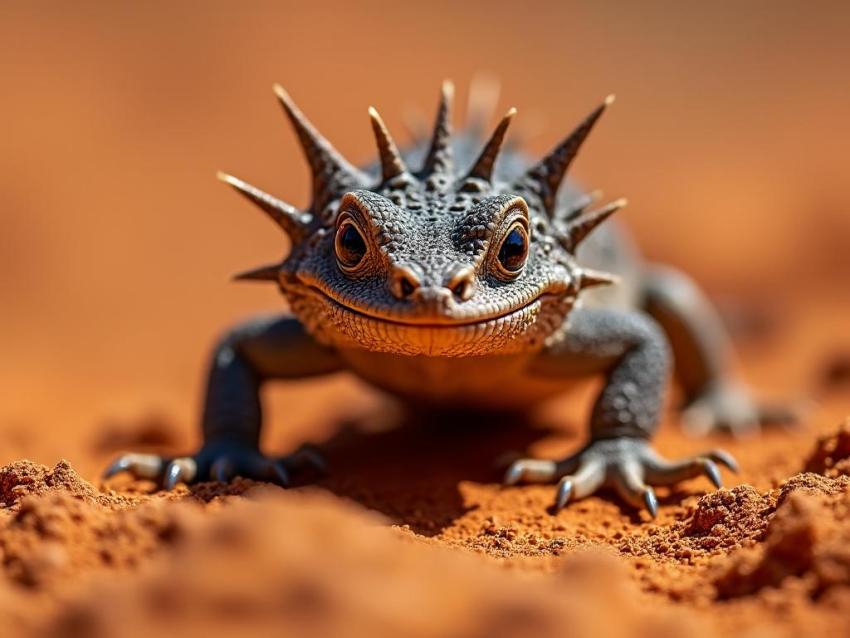
Thorny Devil
(Pronunciation: THOR-nee DEV-uhl)
Spiked and armed with camouflage, the thorny devil is an Australian desert-dwelling lizard. It camouflages so effectively, predators will walk over it.
Here's the nice touch: it gathers water through small grooves in its skin and directs it directly into its mouth. All the spikes are for decoration. This reptile feeds exclusively on ants!
Taipan
(Pronunciation: TY-pan)
The taipan is among the most poisonous snakes in the world. This Australian and New Guinea inhabitant is fatal in an hour if it bites you. It's quick, accurate, and preys on small rodents such as rats.
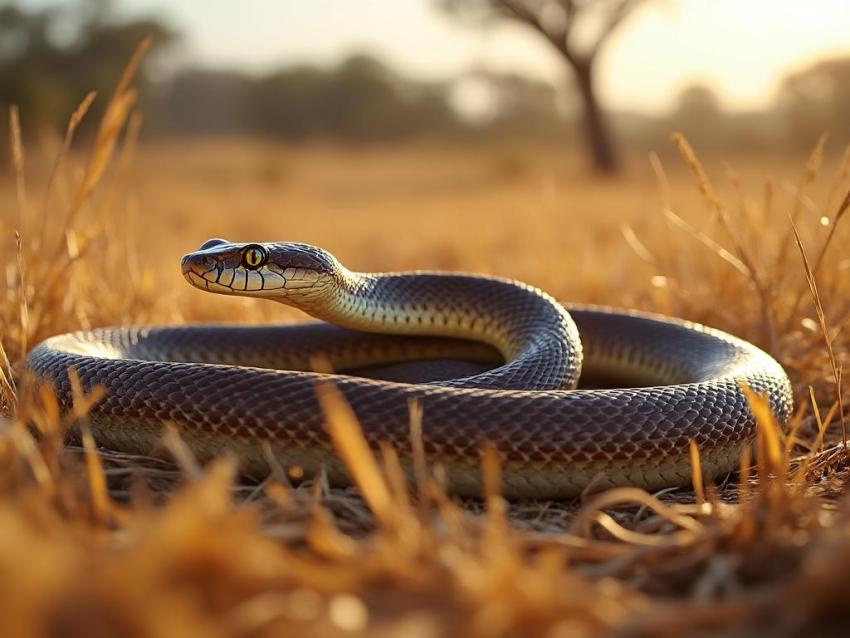
This venomous reptile is a reminder that danger and balance tend to occur side by side in the kingdom of animals.
Tortoise
(Pronunciation: TOR-tuss)
Tortoises are made for the long haul. Some of them live longer than 150 years!
These slow-moving reptiles on land pack a punch and resistance with each movement. Hatchlings are self-sufficient from the time they hatch, with no parental assistance needed.
In nature, they represent survival and persistence like few other creatures.
Tree Frog
(Pronunciation: TREE FROG)
Tree frogs stick to leaves and branches with sticky toe pads. They stand out in color. Their calls are audible. And their presence? It means a healthy ecosystem. That's why scientists use them as indicators of ecosystems.
Need an action-packed idea? Learn to create interactive worksheets based on frog habitats or adaptations.
Texas Rat Snake
(Pronunciation: TEK-suhs RAT SNAYK)
No venom, no threat, and just pest control, the Texas rat snake is a skilled climber and swimmer. You’ll find it in barns, trees, or backyards, quietly handling rodents without harming humans.
It’s a perfect example of how some animals actually help balance nature.
Tuatara
(Pronunciation: too-uh-TAR-uh)
Found only in New Zealand, the tuatara is a reptile often called a “living fossil.” It hasn’t changed in over 200 million years. Scientists study this ancient animal to unlock clues about reptilian evolution.
Tentacled Snake
(Pronunciation: TEN-tuh-kuhld SNAYK)
This aquatic ambush specialist hangs out in Southeast Asia's murky waters. Its snout is
armed with two tiny tentacles that detect fish movement. It freezes, waits, and then attacks. It's a great animal for lessons in adaptation.
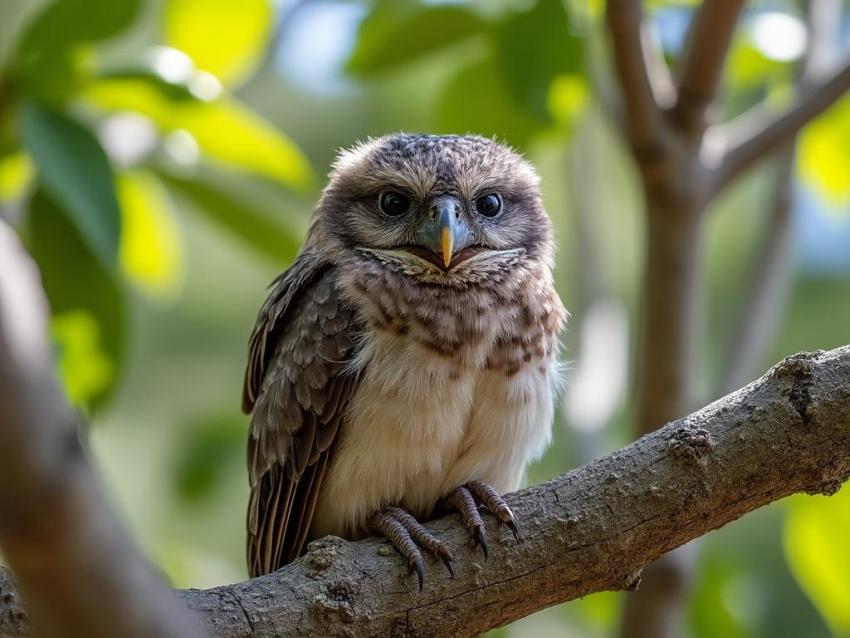
Tawny Owl
(Pronunciation: TAW-nee OWL)
With its mournful cry and noiseless wings, the tawny owl rules the night. It leaves its home range so seldom and stalks with deadly accuracy. Many T animals are shy, but this one is a sheer mystery on the move.
Check out more tawny owl facts for additional info.
Termite
(Pronunciation: TUR-myt)
Small, social, and seriously structured, the termites live in colonies that recycle dead plants and fertilize the soil. Queens live for decades!
Are you an Insect enthusiast? These tiny engineers demonstrate how clever and organized the animal world can be.
Tuna
(Pronunciation: TOO-nuh)
Tuna are fast-swimming predators found in oceans worldwide. Known for their speed—up to 43 miles per hour—they’re prized for both their power and meat.
Looking for ocean animals that hit the ground running? Look no further.
Tiger Shark
(Pronunciation: TY-gur SHARK)
The tiger shark can stretch over 18 feet long, making it one of the biggest predators in the ocean. Its name comes from the stripes across its body when it’s young, though those markings fade as it ages.
Known to eat just about anything, from fish to license plates, the tiger shark is a great example of adaptability in the animal kingdom.
Tsetse Fly
(Pronunciation: TSET-see FLY)
The tsetse fly, a parasitic insect from Africa, feeds on animal blood and spreads sleeping sickness, a disease that can be fatal to humans. It's a strong indicator of how animals link wildlife to human health issues.
Triceratops
(Pronunciation: try-SAIR-uh-tops)
Three horns. A giant frill. A beak built for crunching plants. Triceratops was no small grazer. It could eat 200 pounds of vegetation in a day.
Long extinct but still loved in science classrooms, this famous herbivore ruled the late Cretaceous period. For students fascinated by dinosaurs, this one's a natural favorite.
Tawny Frogmouth
(Pronunciation: TAW-nee FROG-mowth)
It doesn’t hoot like an owl, and it’s not a frog. The tawny frogmouth might be one of the best camouflaged birds on Earth.
Found across Australia, it sits still during the day, looking exactly like a broken tree branch. It’s a stealthy hunter, silent and nearly invisible. Kids love this weird little bird.
Tarpon
(Pronunciation: TAR-pon)
This fish doesn’t just swim—it soars. Tarpons leap out of the water in dramatic bursts, often several feet into the air.
They’re strong, fast, and even breathe air from the surface, which helps them survive in murky water. That makes them a top target for sport fishers and an interesting pick for any list of animal names starting with T.
Tenrec
(Pronunciation: TEN-rek)
Tenrecs are tiny insect-eating mammals from Madagascar. Some look like hedgehogs. Others use echolocation and high-pitched sounds. These unique traits show how animals adapt in clever, surprising ways.
Tegu
(Pronunciation: TAY-goo)
The tegu from South America is big, brainy, and, believe it or not, bonded to its humans. Some say it behaves more like a dog than a reptile. That affection makes it a favorite among reptile lovers.
Tetra
(Pronunciation: TET-ruh)
Tetras are tiny, multicolored freshwater fish that are a favorite in aquariums. They live well in schools, with brighter colors displayed in groups. They are peaceful schooling fish, ideal for learning animal names that start with T.
Tiger Beetle
(Pronunciation: TY-gur BEE-tuhl)
Fast on its feet and fierce with its jaws, the tiger beetle is an insect built for the chase. It hunts smaller bugs with surprising speed and precision.
For insect enthusiasts or kids who love gross and cool facts, this little predator delivers.
Tree Swallow
(Pronunciation: TREE SWAH-loh)
A small bird known for its acrobatic flying skills, tree swallows demonstrate aerial mastery as they catch insects on the wing.
Turkey Vulture
(Pronunciation: TUR-kee VUHL-cher)
Not the prettiest bird, but don’t overlook its job. The turkey vulture cleans up the environment by eating carrion. It has excellent eyesight and a strong sense of smell.
They remove rotting meat, helping stop disease from spreading. One of nature’s quiet helpers.
Tamandua
(Pronunciation: tuh-MAN-doo-uh)
The tamandua, or lesser anteater, is built for eating bugs. With a tongue up to 16 inches long, it digs into termite mounds and ant colonies. Covered in thick fur and sporting strong claws, it’s perfectly designed for the job.
Educational professionals can use these fascinating animals to create engaging worksheets that captivate students’ imagination while teaching important biological concepts.
Frequently Asked Questions About Animals That Start With T
What are animals beginning with T?
Consider tigers, turtles, toucans, tarantulas, and termites. Tapirs, tree frogs, and other interesting animals populate every type of habitat.
What animal or bird has the letter T?
Popular animals that begin with the letter T include tigers, toucans, turkeys, tawny owls, and tree swallows. They come from different animal groups and habitats.
What sea animal starts with T?
Sea animals starting with T include tuna, tiger sharks, trout, and sea turtles. They glide through the oceans, playing important roles in food chains and marine ecosystems.
What was the first animal T?
That depends. Some alphabetized lists begin with taimen or tailless whip scorpion. But really, from tiger to termite, animals that start with T give you dozens of ways to spark curiosity and teach science with impact.