Places

English as a Second Language (ESL)

I. Fill in the blank with correct verb form to complete the dialogue below:

Anna: Hi, John! You look tired. What’s wrong?
John: Oh, I (1) ______ (not sleep) well last night.
Anna: Why? Was it because of the exam?
John: Yes, I (2) ______ (study) until midnight, and I still don’t feel ready.
Anna: Don’t worry! I’m sure you’ll do great. By the way, (3) ______ you ______ (review) the grammar rules yet?
John: Not really. I (4) ______ (focus) more on vocabulary.
Anna: Let’s review together during lunch!

II. Write a paragraph

“Describe a place you have visited and why you liked it.”
............................................................................................................................................................................................................................................................................................................................................................................................................................................................................................................................................................................................................................................................................................................................................................................................................................................................................................................................................................................

III. Choose the correct answer:

  1. I haven’t seen Sarah ______ a long time.
    a) since
    b) for
    c) ago
    d) before
  2. If I ______ enough money, I would travel around the world.
    a) have
    b) had
    c) will have
    d) has
  3. He asked me where I ______ from.
    a) am
    b) was
    c) were
    d) be

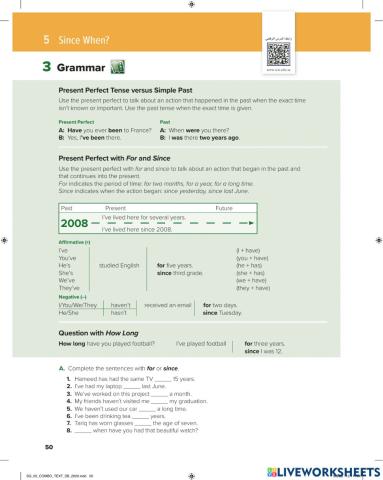
Present Perfect Tense

Writing - English Language

📝 Student Instruction: Present Perfect Tense

  1. When do we use Present Perfect?
  • To talk about actions or experiences at an unspecified time in the past.

    • I have visited Japan.
  • To talk about actions that started in the past and continue until now.

    • She has lived here for 10 years.
  • To talk about actions that happened in the past but still have a result now.

    • He has broken his leg (he can’t walk now).
  1. Form
  • Affirmative (+): Subject + have/has + past participle (V3)

    • I have eaten breakfast.
    • She has finished her homework.
  • Negative (–): Subject + have/has + not + past participle

    • I haven’t seen that movie.
    • He hasn’t called me.
  • Question (?): Have/Has + subject + past participle

    • Have you visited London?
    • Has she done her homework?
  1. Time expressions used with Present Perfect
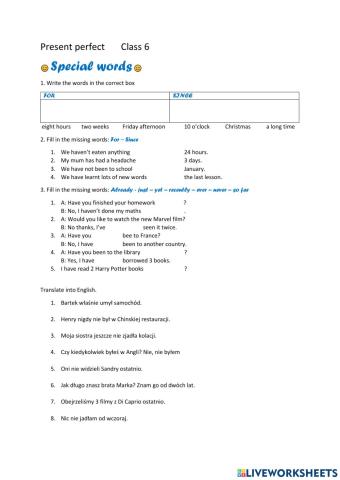
  • just → I have just finished my homework.
  • already → She has already eaten.
  • yet → Have you finished yet? / I haven’t finished yet.
  • ever → Have you ever been to Paris?
  • never → I have never seen snow.
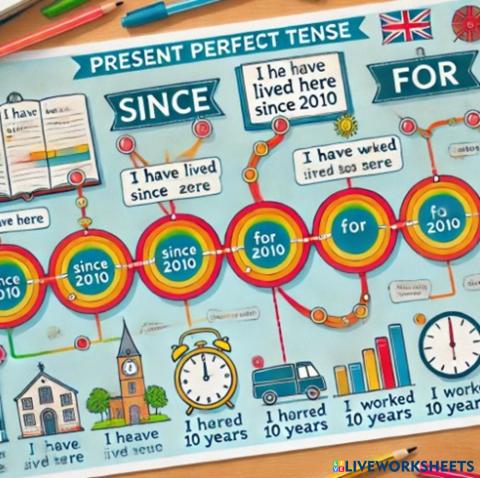
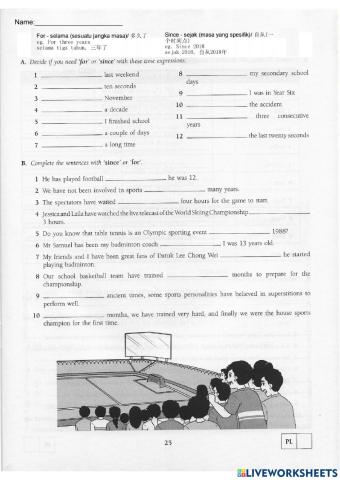
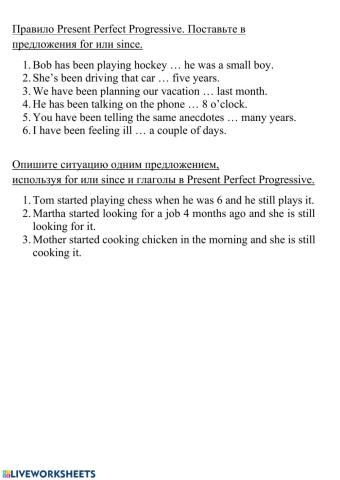
  • for (a period of time) → for 5 years
  • since (a starting point) → since 2010
  1. Examples
  • We have studied English for three years.
  • He has never played basketball.
  • Have they arrived yet?

👉 Practice Example:
Change the verb into Present Perfect.

  1. I (see) that movie three times. → I have seen that movie three times.
  2. She (not finish) her homework yet. → She hasn’t finished her homework yet.
  3. (they / travel) to London before? → Have they traveled to London before?

1. Fill in the blanks with words from the list.

Grammar - English Language

My best friend is Adam, and he is the kind of person everyone likes. He is 1___________, funny, smart, and always ready to 2___________ others. We have known each other since primary school, and 3___________ always share many funny moments together. Adam is very good 4___________ football, and we often play after school. He 5___________ also good at maths, and I sometimes ask him for help with hard problems. What I 6___________ most about Adam is that he listens when I talk and never judges me. Whenever I have a problem, he 7___________ tries to encourage me or give me good advice. I feel lucky to have a 8___________ like Adam, and I know our friendship will last for many years.
29.1 homework

Grammar - English Language

CÃĒu 1. She ___ to school every day.
A. go
B. goes
C. is going
D. went

CÃĒu 2. They ___ TV when I came home.
A. watch
B. watched
C. were watching
D. are watching

CÃĒu 3. We ___ this movie before.
A. see
B. saw
C. have seen
D. will see

CÃĒu 4. He ___ English for 5 years.
A. learns
B. learned
C. has learned
D. is learning

CÃĒu 5. She is ___ than her sister.
A. tall
B. taller
C. tallest
D. more tall

CÃĒu 6. This is the ___ book I’ve ever read.
A. interesting
B. more interesting
C. most interesting
D. interest

CÃĒu 7. They ___ to Hanoi tomorrow.
A. go
B. went
C. will go
D. have gone

CÃĒu 8. My father usually ___ up at 6 a.m.
A. get
B. gets
C. got
D. is getting

CÃĒu 9. While she ___, the phone rang.
A. sleeps
B. slept
C. was sleeping
D. is sleeping

CÃĒu 10. I ___ my homework yet.
A. don’t finish
B. didn’t finish
C. haven’t finished
D. won’t finish

CÃĒu 11. This exercise is ___ than the last one.
A. easy
B. easier
C. easiest
D. more easy

CÃĒu 12. He ___ football yesterday.
A. plays
B. played
C. is playing
D. has played

CÃĒu 13. She ___ a letter right now.
A. writes
B. wrote
C. is writing
D. has written

CÃĒu 14. They ___ each other since 2020.
A. know
B. knew
C. have known
D. are knowing

CÃĒu 15. This is the ___ day of my life.
A. happy
B. happier
C. happiest
D. more happy

CÃĒu 16. We ___ lunch when it started to rain.
A. have
B. had
C. were having
D. are having

CÃĒu 17. She ___ speak English very well.
A. can
B. must
C. should
D. need

CÃĒu 18. I ___ him tomorrow.
A. meet
B. met
C. will meet
D. have met

CÃĒu 19. This house is ___ than that one.
A. big
B. bigger
C. biggest
D. more bigger

CÃĒu 20. He ___ to music at the moment.
A. listens
B. listened
C. is listening
D. has listened

Aglaya

  • English Language
  • 8th grade

Aglaya

Reading and Text Analysis - English Language

  • Why is mathematics important in daily life?
  • Can you name any famous mathematicians?
  • mathematics, the science of structure, order, and relation that has evolved from elemental practices of counting, measuring, and describing the shapes of objects. It deals with logical reasoning and quantitative calculation, and its development has involved an increasing degree of idealization and abstraction of its subject matter. Since the 17th century, mathematics has been an indispensable adjunct to the physical sciences and technology, and in more recent times it has assumed a similar role in the quantitative aspects of the life sciences.

    In many cultures—under the stimulus of the needs of practical pursuits, such as commerce and agriculture—mathematics has developed far beyond basic counting. This growth has been greatest in societies complex enough to sustain these activities and to provide leisure for contemplation and the opportunity to build on the achievements of earlier mathematicians.

    All mathematical systems (for example, Euclidean geometry) are combinations of sets of axioms and of theorems that can be logically deduced from the axioms. Inquiries into the logical and philosophical basis of mathematics reduce to questions of whether the axioms of a given system ensure its completeness and its consistency. For full treatment of this aspect, see mathematics, foundations of.

    This article offers a history of mathematics from ancient times to the present. As a consequence of the exponential growth of science, most mathematics has developed since the 15th century ce, and it is a historical fact that, from the 15th century to the late 20th century, new developments in mathematics were largely concentrated in Europe and North America. For these reasons, the bulk of this article is devoted to European developments since 1500.

    This does not mean, however, that developments elsewhere have been unimportant. Indeed, to understand the history of mathematics in Europe, it is necessary to know its history at least in ancient Mesopotamia and Egypt, in ancient Greece, and in Islamic civilization from the 9th to the 15th century. The way in which these civilizations influenced one another and the important direct contributions Greece and Islam made to later developments are discussed in the first parts of this article.

    India’s contributions to the development of contemporary mathematics were made through the considerable influence of Indian achievements on Islamic mathematics during its formative years. A separate article, South Asian mathematics, focuses on the early history of mathematics in the Indian subcontinent and the development there of the modern decimal place-value numeral system. The article East Asian mathematics covers the mostly independent development of mathematics in China, Japan, Korea, and Vietnam.

  • Match the words with their meanings.
  • structure -the process of thinking logically about something
  • reasoning-a way that parts are organized or arranged
  • quantitative-a general idea rather than a concrete object
  • abstraction-related to numbers or amounts
  • commerce-to support or keep something going
  • sustain-the activity of buying and selling goods
  • axiom-a statement that can be proved using facts and logic
  • theorem-a statement that is accepted as true without proof
  • civilization-the power to affect how someone or something develops
  • influence-an advanced human society with culture and knowledge
  • Fill in the blanks with correct words from the list:
    (structure, reasoning, commerce, influence, civilization)
  • Ancient _______ like Egypt and Greece made big progress in mathematics.
  • Logical _______ is important for solving problems.
  • Trade and _______ helped mathematics grow.
  • The _______ of India was strong in Islamic mathematics.
  • Geometry studies the _______ of shapes.
  • Choose the correct form.
  • Mathematics (has / have) been important since ancient times.
  • It (developed / has developed) far beyond basic counting.
  • Many cultures (were / have been) influenced by Greek mathematics.
  • Mathematicians (worked / have worked) for centuries to create new ideas.
  • Since the 17th century, mathematics (became / has become) a part of science.
  • Reading Comprehension

    Answer the questions:

  • What is mathematics described as in the first paragraph?
  • Why did mathematics develop in many cultures?
  • What are mathematical systems made of?
  • Where did most mathematical development occur after the 15th century?
  • Why is it important to study ancient civilizations to understand European mathematics?
  • How did India influence Islamic mathematics?

āļŠāļĢāđ‰āļēāļ‡āđāļĨāļ°āļ›āļĢāļąāļšāđāļ•āđˆāļ‡āđƒāļšāļ‡āļēāļ™āļŠāļģāļŦāļĢāļąāļšāļ—āļļāļāļŦāđ‰āļ­āļ‡āđ€āļĢāļĩāļĒāļ™

LiveWorksheets āļ—āļģāđƒāļŦāđ‰āļ„āļļāļ“āļ„āļĢāļđ āļœāļđāđ‰āļ›āļāļ„āļĢāļ­āļ‡ āđāļĨāļ°āļœāļđāđ‰āļŠāļ­āļ™āđāļšāļšāđ‚āļŪāļĄāļŠāļ„āļđāļĨ āļŠāļēāļĄāļēāļĢāļ–āļ­āļ­āļāđāļšāļšāđāļĨāļ°āļĄāļ­āļšāļŠāļ·āđˆāļ­āļāļēāļĢāđ€āļĢāļĩāļĒāļ™āļĢāļđāđ‰āļ—āļĩāđˆāļ™āđˆāļēāļŠāļ™āđƒāļˆāđ„āļ”āđ‰āļ­āļĒāđˆāļēāļ‡āļ‡āđˆāļēāļĒāļ”āļēāļĒ āđ€āļžāļĩāļĒāļ‡āļ­āļąāļ›āđ‚āļŦāļĨāļ”āđ„āļŸāļĨāđŒ PDF āļŦāļĢāļ·āļ­āđ€āļĢāļīāđˆāļĄāļ•āđ‰āļ™āļŠāļĢāđ‰āļēāļ‡āđƒāļŦāļĄāđˆāļ—āļąāđ‰āļ‡āļŦāļĄāļ” āļ„āļļāļ“āļāđ‡āļŠāļēāļĄāļēāļĢāļ–āļ—āļģāđ„āļ”āđ‰āļ—āļļāļāļ­āļĒāđˆāļēāļ‡ āđ„āļĄāđˆāļ§āđˆāļēāļˆāļ°āđ€āļ›āđ‡āļ™āđƒāļšāļ‡āļēāļ™āļ„āļ“āļīāļ•āļĻāļēāļŠāļ•āļĢāđŒāđāļšāļšāđ‚āļ•āđ‰āļ•āļ­āļš āđƒāļšāļ‡āļēāļ™āļ­āđˆāļēāļ™āļˆāļąāļšāđƒāļˆāļ„āļ§āļēāļĄ āđƒāļšāļ‡āļēāļ™āļāļēāļĢāļ„āļđāļ“ āļŦāļĢāļ·āļ­āđƒāļšāļ‡āļēāļ™āļŠāļģāļŦāļĢāļąāļšāđ€āļ”āđ‡āļāļ­āļ™āļļāļšāļēāļĨ āļ”āđ‰āļ§āļĒāļ‚āļąāđ‰āļ™āļ•āļ­āļ™āđ€āļžāļĩāļĒāļ‡āđ„āļĄāđˆāļāļĩāđˆāļ„āļĨāļīāļ āđ€āļ„āļĢāļ·āđˆāļ­āļ‡āļĄāļ·āļ­āđāļāđ‰āđ„āļ‚āđāļšāļšāļĨāļēāļāđāļĨāļ°āļ§āļēāļ‡āļ‚āļ­āļ‡āđ€āļĢāļēāļĢāļ­āļ‡āļĢāļąāļšāļ—āļļāļāļĢāļ°āļ”āļąāļšāļŠāļąāđ‰āļ™āđāļĨāļ°āļ—āļļāļāļ§āļīāļŠāļē āļŠāđˆāļ§āļĒāđƒāļŦāđ‰āļ„āļļāļ“āļ›āļĢāļąāļšāđ€āļ™āļ·āđ‰āļ­āļŦāļēāđƒāļŦāđ‰āļ•āļĢāļ‡āļāļąāļšāđāļœāļ™āļāļēāļĢāļŠāļ­āļ™ āļāļēāļĢāļšāđ‰āļēāļ™ āļŦāļĢāļ·āļ­āđāļšāļšāļ—āļ”āļŠāļ­āļš āļ„āļĢāļđāļŠāļ­āļ™āļ āļēāļĐāļēāļ­āļąāļ‡āļāļĪāļĐ (ESL) āļĒāļąāļ‡āļŠāļēāļĄāļēāļĢāļ–āļŠāļĢāđ‰āļēāļ‡āđƒāļšāļ‡āļēāļ™ ESL āđāļšāļšāđ€āļ‰āļžāļēāļ° āđ€āļžāļīāđˆāļĄāļ•āļēāļĢāļēāļ‡āđ€āļŠāļĩāļĒāļ‡āļ āļēāļĐāļēāļ­āļąāļ‡āļāļĪāļĐ āļŦāļĢāļ·āļ­āļ­āļ­āļāđāļšāļšāļāļīāļˆāļāļĢāļĢāļĄ ESL āđ€āļžāļ·āđˆāļ­āđƒāļŦāđ‰āļāļēāļĢāđ€āļĢāļĩāļĒāļ™āļŠāļ™āļļāļāđāļĨāļ°āļĄāļĩāļŠāđˆāļ§āļ™āļĢāđˆāļ§āļĄāļĄāļēāļāļ‚āļķāđ‰āļ™ āļŠāļĢāđ‰āļēāļ‡āļāļīāļˆāļāļĢāļĢāļĄāļ—āļĩāđˆāļ›āļĢāļąāļšāļĢāļ°āļ”āļąāļšāđ„āļ”āđ‰ āļ•āļĢāļ§āļˆāļ­āļąāļ•āđ‚āļ™āļĄāļąāļ•āļī āļŠāđˆāļ§āļĒāļ›āļĢāļ°āļŦāļĒāļąāļ”āđ€āļ§āļĨāļē āđāļĨāļ°āļŠāļ™āļąāļšāļŠāļ™āļļāļ™āļāļēāļĢāđ€āļĢāļĩāļĒāļ™āļĢāļđāđ‰āļ‚āļ­āļ‡āļ™āļąāļāđ€āļĢāļĩāļĒāļ™āđƒāļŦāđ‰āļ”āļĩāļĒāļīāđˆāļ‡āļ‚āļķāđ‰āļ™

āļ„āļĨāļąāļ‡āļŠāļ·āđˆāļ­āļāļēāļĢāđ€āļĢāļĩāļĒāļ™āļĢāļđāđ‰āļ„āļĢāļšāļ§āļ‡āļˆāļĢāļŠāļģāļŦāļĢāļąāļš K-12 āđāļĨāļ° ESL

āđ€āļ‚āđ‰āļēāļ–āļķāļ‡āđƒāļšāļ‡āļēāļ™āļ—āļĩāđˆāļžāļĢāđ‰āļ­āļĄāđƒāļŠāđ‰āļŦāļĨāļēāļĒāļžāļąāļ™āļŠāļļāļ” āļ„āļĢāļ­āļšāļ„āļĨāļļāļĄāļ—āļļāļāļ§āļīāļŠāļēāđƒāļ™āļĢāļ°āļ”āļąāļš K-12 āļĢāļ§āļĄāļ–āļķāļ‡āđƒāļšāļ‡āļēāļ™āļ­āļ™āļļāļšāļēāļĨ āđƒāļšāļ‡āļēāļ™āļ„āļ“āļīāļ•āļĻāļēāļŠāļ•āļĢāđŒ āđāļšāļšāļāļķāļāļāļēāļĢāļ„āļđāļ“ āđāļšāļšāļāļķāļāļ­āđˆāļēāļ™āļˆāļąāļšāđƒāļˆāļ„āļ§āļēāļĄ āđāļĨāļ°āļ—āļĢāļąāļžāļĒāļēāļāļĢ ESL āđ€āļĨāļ·āļ­āļāļ„āđ‰āļ™āļŦāļēāļ•āļēāļĄāļŠāļąāđ‰āļ™āđ€āļĢāļĩāļĒāļ™ āļ§āļīāļŠāļē āļŦāļĢāļ·āļ­āļĢāļ°āļ”āļąāļšāļ—āļąāļāļĐāļ° āđ€āļžāļ·āđˆāļ­āđƒāļŦāđ‰āđ„āļ”āđ‰āļŠāļīāđˆāļ‡āļ—āļĩāđˆāļ„āļļāļ“āļ•āđ‰āļ­āļ‡āļāļēāļĢ āđ„āļĄāđˆāļ§āđˆāļēāļˆāļ°āļŠāļģāļŦāļĢāļąāļšāļŦāđ‰āļ­āļ‡āđ€āļĢāļĩāļĒāļ™āļ›āļĢāļ°āļ–āļĄ āļ—āļšāļ—āļ§āļ™āđƒāļ™āļĢāļ°āļ”āļąāļšāļĄāļąāļ˜āļĒāļĄāļ•āđ‰āļ™ āļŦāļĢāļ·āļ­āļāļēāļĢāļāļķāļāđƒāļ™āļĢāļ°āļ”āļąāļšāļĄāļąāļ˜āļĒāļĄāļ›āļĨāļēāļĒ āļ„āļĢāļđ ESL āļĒāļąāļ‡āļŠāļēāļĄāļēāļĢāļ–āļŠāļģāļĢāļ§āļˆāļ„āļĨāļąāļ‡āđƒāļšāļ‡āļēāļ™ ESL āđāļĨāļ°āļāļīāļˆāļāļĢāļĢāļĄāļ āļēāļĐāļēāļ­āļąāļ‡āļāļĪāļĐāļ—āļĩāđˆāļ­āļ­āļāđāļšāļšāļĄāļēāđ€āļžāļ·āđˆāļ­āļĢāļ­āļ‡āļĢāļąāļšāļœāļđāđ‰āđ€āļĢāļĩāļĒāļ™āļ—āļļāļāļĢāļ°āļ”āļąāļš āđ€āļ™āļ·āđ‰āļ­āļŦāļēāđƒāļŦāļĄāđˆāļ–āļđāļāđ€āļžāļīāđˆāļĄāđ€āļ‚āđ‰āļēāļĄāļēāļ­āļĒāđˆāļēāļ‡āļ•āđˆāļ­āđ€āļ™āļ·āđˆāļ­āļ‡ LiveWorksheets āļˆāļķāļ‡āđ€āļ›āđ‡āļ™āļ—āļĢāļąāļžāļĒāļēāļāļĢāļ—āļĩāđˆāļĒāļ·āļ”āļŦāļĒāļļāđˆāļ™āđāļĨāļ°āļŠāđˆāļ§āļĒāļŠāļĢāđ‰āļēāļ‡āļœāļĨāļĨāļąāļžāļ˜āđŒāļāļēāļĢāđ€āļĢāļĩāļĒāļ™āļĢāļđāđ‰āļ—āļĩāđˆāļĒāļąāđˆāļ‡āļĒāļ·āļ™