


Created by

ROSSANA MEILING FALCONI MOLINA
คำแนะนำของผู้เขียน
Many people use the First Conditional to talk about real and possible situations in the future. We use it when something is likely to happen. The structure of the First Conditional is simple: if + present simple, will + base verb.
For example, if it rains, I will stay at home. This sentence shows a real situation and a possible result. People often use the First Conditional to talk about daily life, school, work, or plans.
If students study for an exam, they will get better results. If people eat healthy food, they will feel better. These situations are possible and realistic.
The First Conditional helps us understand cause and effect in the future. If we use it correctly, we can explain our plans and decisions more clearly.
My Google Classroom Courses

Quick Access
All Classes

Topic: First Conditional – Real Life Situations




Created by
ROSSANA MEILING FALCONI MOLINA
คำแนะนำของผู้เขียน
Many people use the First Conditional to talk about real and possible situations in the future. We use it when something is likely to happen. The structure of the First Conditional is simple: if + present simple, will + base verb.
For example, if it rains, I will stay at home. This sentence shows a real situation and a possible result. People often use the First Conditional to talk about daily life, school, work, or plans.
If students study for an exam, they will get better results. If people eat healthy food, they will feel better. These situations are possible and realistic.
The First Conditional helps us understand cause and effect in the future. If we use it correctly, we can explain our plans and decisions more clearly.
สำรวจแผ่นงาน

F3_B2 Reading_SHOPPING
- English Language
- 11th grade
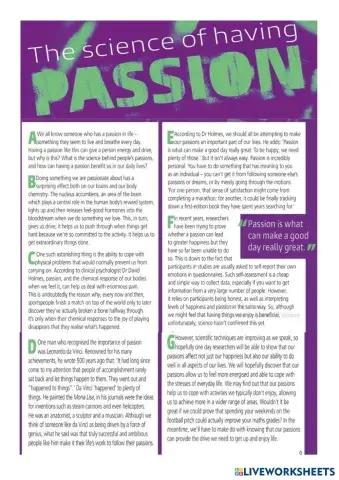
B2 READING PRACTICE
- English Language
- 11th grade

Gateway to the world Unit 4
- English Language
- 11th grade

6th Year MOCK TERM 3 NEW
- English Language
- 11th grade