Topics revision

Vocabulary - ESL

EXERCISE 3 – GRAMMAR

Complete the sentences.

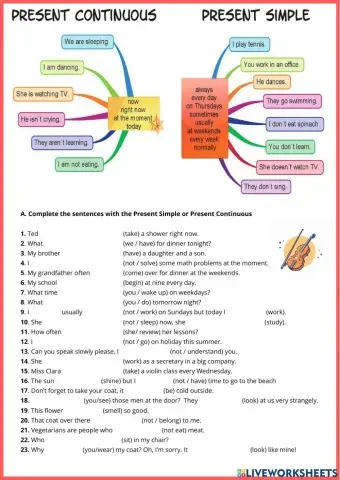
a) Tom usually ______ (work) from Monday to Friday.

b) Last year, he ______ (change) jobs.

c) He ______ (feel) happier.

d) Next year, he ______ (study) marketing.

e) He wants ______ (have) better opportunities.


EXERCISE 4 – VOCABULARY

Choose the correct option.

a) Tom works as a __________.

b) In his free time, he likes __________ friends.

c) He works in a __________ company now.

d) He is saving money for his __________.

e) He wants to improve his job __________.


EXERCISE 5 – CONNECTORS

Complete using: usually – last year – now – because – next year


EXERCISE 6 – WRITING

Write a paragraph (40–50 words) about your work or studies, your free time and a future plan.


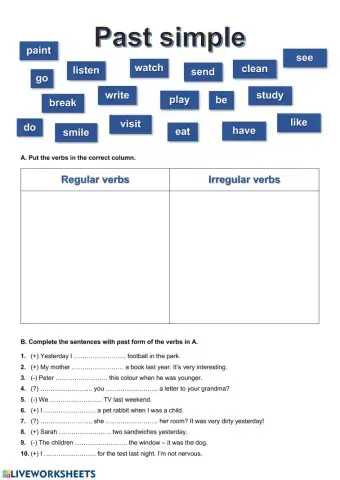
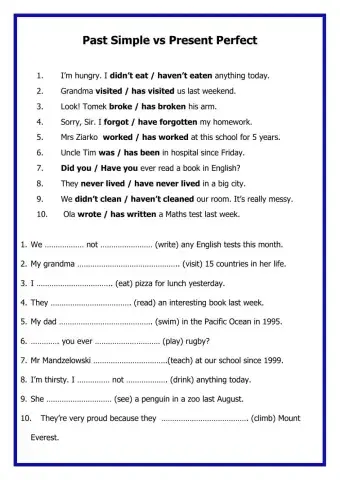
EXERCISE 7 – PAST SIMPLE

Complete the sentences.

a) Tom ______ (start) his new job last year.

b) He ______ (work) in a big company before.

c) He ______ (not like) his old routine.

d) He ______ (feel) happier.

e) He ______ (decide) to study marketing.


EXERCISE 8 – WAS / WERE

a) Tom ______ stressed.

b) His colleagues ______ friendly.

c) The company ______ small.

d) His weekends ______ relaxing.

e) His hours ______ long.


EXERCISE 9 – THERE WAS / THERE WERE

a) ______ many meetings.

b) ______ a lot of pressure.

c) ______ more free time.

d) ______ flexible hours.

e) ______ opportunities.


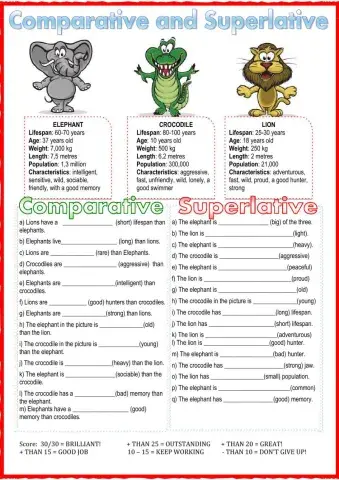
EXERCISE 10 – COMPARATIVES

Choose the correct option.

a) His new job is ______.

b) The company is ______.

c) His routine is ______.

d) His hours are ______.

e) He feels ______ now.


EXERCISE 11 – TIME EXPRESSIONS

Match:

1) last year

2) now

3) next year

4) before

5) at the moment

employment

Vocabulary - ESL

🧠 A. Gap filling (1 point each)

Fill in each gap with one word only.

  1. When I was offered a higher salary, I decided to hand in my {resignation}.
  2. Many graduates nowadays struggle to find a job that matches their {qualifications}.
  3. He’s been working {for} the same company for over fifteen years.
  4. If you can’t come to work due to illness, you must provide a medical {certificate}.
  5. She’s under a lot of {pressure} to meet the deadlines this quarter.
  6. The company had to make several employees {redundant} due to the economic crisis.
  7. After years of hard work, he finally got a well-deserved {promotion}.
  8. During the interview, they asked me to talk about my previous {work} experience.

✍ïļ B. Translate into English (2 points each)

Translate the following sentences into English.
(Type your translation into the box below each sentence.)

  1. Firma zaoferowała jej stanowisko kierownicze po roku pracy.
    { }
  2. Jeśli chcesz wziąć kilka dni wolnego, musisz wypełnić odpowiedni formularz.
    { }
  3. Został zwolniony, poniewaÅž nie spełniał oczekiwań przełoÅžonych.
    { }
  4. Otrzymała premię za wyjątkowe wyniki sprzedaÅžy.
    { }
  5. Lubi swoją pracę, mimo Åže jest bardzo stresująca i wymagająca.
    { }
  6. Kiedy przechodzisz na emeryturę, moÅžesz w końcu odpocząć od zawodowych obowiązkÃģw.
    { }
  7. On często bierze nadgodziny, Åžeby zarobić więcej pieniędzy.
    { }

🔗 C. Match the words to make collocations (1 point each)

Write the correct letter (a–h) next to each number.

  1. career → {b}
  2. job → {f}
  3. working → {g}
  4. annual → {d}
  5. company → {e}
  6. permanent → {a}
  7. part-time → {c}
  8. unpaid → {h}

a. contract
b. development
c. leave
d. review
e. meeting
f. position
g. experience
h. internship

ðŸ§ū D. Multiple Choice (1 point each)

Choose the correct answer (a, b, c or d).

  1. If you’re unhappy in your job, it’s best to _________ and look for something new.
    {b: resign}
  2. A person who supervises and trains young workers is called _________.
    {b: a mentor}
  3. The new project has been put _________ until next year.
    {b: on the back burner}
  4. She was praised for thinking _________ and finding an innovative solution.
    {a: outside the box}
  5. The company went _________ after years of financial problems.
    {a: in the red}
  6. If a product is selling like hotcakes, it’s _________.
    {b: very popular}
  7. He’s such a _________ person — everyone in the office likes him.
    {d: people-oriented}

💎 E. Idioms & Expressions – Gap filling (1 point each)

Complete the sentences with one of the idioms:
(in the red / have a lot on your plate / put off / crunch the numbers / take off / win-win situation)

  1. We need to {crunch the numbers} before deciding whether the project is profitable.
  2. I can’t join you this weekend — I really {have a lot on my plate} at work.
  3. Sales have really {taken off} since we launched our new website.
  4. Let’s not {put off} this decision any longer.
  5. A flexible schedule is a {win-win situation} for both the employer and employees.

How birth order influences your personality

Reading - ESL

How birth order influences your personality

THE OLDEST CHILD

Firstborn children often have to look after their younger brothers and sisters, so they're usually sensible and responsible as adults.

They also tend to be ambitious, and they make good leaders. On the negative side, oldest children can be insecure and anxious. This is because -1-H. when the second child was born, they lost some of their parents' attention, and maybe they felt rejected

THE MIDDLE CHILD

Middle children are more relaxed than the oldest children, probably because -2- C. their parents were more relaxed themselves by the time the second child arrived. They're usually very sociable - the kind

of people who get on with everybody. They are also usually sensitive to what other people need, because -3-A. they grew up between older and younger brothers and sisters. For the same reason, they're often quite good at sorting out arguments, and they're always sympathetic to the ones on the losing side, or in general, to people who are having problems. On the other hand, middle children can sometimes be unambitious, and they can lack direction in life.

THE YOUNGEST CHILD

Youngest children are often very outgoing and charming. This is the way they try to get the attention of both their parents and their older brothers and sisters. They are often more rebellious, and this is probably because

-4-B. it's easier for them to break the rules - by the time they were born, their parents were more relaxed about discipline. They can also be immature and disorganized, and they often depend too much on other people, because -5-E. they have always been the baby of the family.

THE ONLY CHILD

Only children usually do very well at school, because they have a lot of contact with adults. They get a lot of love and attention from their parents, so they're typically self-confident. They're also independent, as they spend so much time by themselves. And because -6-F. they spend a lot of time with adults, they're often very organized. Only children can sometimes be spoilt, because -7-D. they are given everything they ask for by their parents. They can also be quite selfish and get impatient, especially when things go wrong. This is because -8-G. they've never had to sort out problems with other brothers and sisters.

āļŠāļĢāđ‰āļēāļ‡āđāļĨāļ°āļ›āļĢāļąāļšāđāļ•āđˆāļ‡āđƒāļšāļ‡āļēāļ™āļŠāļģāļŦāļĢāļąāļšāļ—āļļāļāļŦāđ‰āļ­āļ‡āđ€āļĢāļĩāļĒāļ™

LiveWorksheets āļ—āļģāđƒāļŦāđ‰āļ„āļļāļ“āļ„āļĢāļđ āļœāļđāđ‰āļ›āļāļ„āļĢāļ­āļ‡ āđāļĨāļ°āļœāļđāđ‰āļŠāļ­āļ™āđāļšāļšāđ‚āļŪāļĄāļŠāļ„āļđāļĨ āļŠāļēāļĄāļēāļĢāļ–āļ­āļ­āļāđāļšāļšāđāļĨāļ°āļĄāļ­āļšāļŠāļ·āđˆāļ­āļāļēāļĢāđ€āļĢāļĩāļĒāļ™āļĢāļđāđ‰āļ—āļĩāđˆāļ™āđˆāļēāļŠāļ™āđƒāļˆāđ„āļ”āđ‰āļ­āļĒāđˆāļēāļ‡āļ‡āđˆāļēāļĒāļ”āļēāļĒ āđ€āļžāļĩāļĒāļ‡āļ­āļąāļ›āđ‚āļŦāļĨāļ”āđ„āļŸāļĨāđŒ PDF āļŦāļĢāļ·āļ­āđ€āļĢāļīāđˆāļĄāļ•āđ‰āļ™āļŠāļĢāđ‰āļēāļ‡āđƒāļŦāļĄāđˆāļ—āļąāđ‰āļ‡āļŦāļĄāļ” āļ„āļļāļ“āļāđ‡āļŠāļēāļĄāļēāļĢāļ–āļ—āļģāđ„āļ”āđ‰āļ—āļļāļāļ­āļĒāđˆāļēāļ‡ āđ„āļĄāđˆāļ§āđˆāļēāļˆāļ°āđ€āļ›āđ‡āļ™āđƒāļšāļ‡āļēāļ™āļ„āļ“āļīāļ•āļĻāļēāļŠāļ•āļĢāđŒāđāļšāļšāđ‚āļ•āđ‰āļ•āļ­āļš āđƒāļšāļ‡āļēāļ™āļ­āđˆāļēāļ™āļˆāļąāļšāđƒāļˆāļ„āļ§āļēāļĄ āđƒāļšāļ‡āļēāļ™āļāļēāļĢāļ„āļđāļ“ āļŦāļĢāļ·āļ­āđƒāļšāļ‡āļēāļ™āļŠāļģāļŦāļĢāļąāļšāđ€āļ”āđ‡āļāļ­āļ™āļļāļšāļēāļĨ āļ”āđ‰āļ§āļĒāļ‚āļąāđ‰āļ™āļ•āļ­āļ™āđ€āļžāļĩāļĒāļ‡āđ„āļĄāđˆāļāļĩāđˆāļ„āļĨāļīāļ āđ€āļ„āļĢāļ·āđˆāļ­āļ‡āļĄāļ·āļ­āđāļāđ‰āđ„āļ‚āđāļšāļšāļĨāļēāļāđāļĨāļ°āļ§āļēāļ‡āļ‚āļ­āļ‡āđ€āļĢāļēāļĢāļ­āļ‡āļĢāļąāļšāļ—āļļāļāļĢāļ°āļ”āļąāļšāļŠāļąāđ‰āļ™āđāļĨāļ°āļ—āļļāļāļ§āļīāļŠāļē āļŠāđˆāļ§āļĒāđƒāļŦāđ‰āļ„āļļāļ“āļ›āļĢāļąāļšāđ€āļ™āļ·āđ‰āļ­āļŦāļēāđƒāļŦāđ‰āļ•āļĢāļ‡āļāļąāļšāđāļœāļ™āļāļēāļĢāļŠāļ­āļ™ āļāļēāļĢāļšāđ‰āļēāļ™ āļŦāļĢāļ·āļ­āđāļšāļšāļ—āļ”āļŠāļ­āļš āļ„āļĢāļđāļŠāļ­āļ™āļ āļēāļĐāļēāļ­āļąāļ‡āļāļĪāļĐ (ESL) āļĒāļąāļ‡āļŠāļēāļĄāļēāļĢāļ–āļŠāļĢāđ‰āļēāļ‡āđƒāļšāļ‡āļēāļ™ ESL āđāļšāļšāđ€āļ‰āļžāļēāļ° āđ€āļžāļīāđˆāļĄāļ•āļēāļĢāļēāļ‡āđ€āļŠāļĩāļĒāļ‡āļ āļēāļĐāļēāļ­āļąāļ‡āļāļĪāļĐ āļŦāļĢāļ·āļ­āļ­āļ­āļāđāļšāļšāļāļīāļˆāļāļĢāļĢāļĄ ESL āđ€āļžāļ·āđˆāļ­āđƒāļŦāđ‰āļāļēāļĢāđ€āļĢāļĩāļĒāļ™āļŠāļ™āļļāļāđāļĨāļ°āļĄāļĩāļŠāđˆāļ§āļ™āļĢāđˆāļ§āļĄāļĄāļēāļāļ‚āļķāđ‰āļ™ āļŠāļĢāđ‰āļēāļ‡āļāļīāļˆāļāļĢāļĢāļĄāļ—āļĩāđˆāļ›āļĢāļąāļšāļĢāļ°āļ”āļąāļšāđ„āļ”āđ‰ āļ•āļĢāļ§āļˆāļ­āļąāļ•āđ‚āļ™āļĄāļąāļ•āļī āļŠāđˆāļ§āļĒāļ›āļĢāļ°āļŦāļĒāļąāļ”āđ€āļ§āļĨāļē āđāļĨāļ°āļŠāļ™āļąāļšāļŠāļ™āļļāļ™āļāļēāļĢāđ€āļĢāļĩāļĒāļ™āļĢāļđāđ‰āļ‚āļ­āļ‡āļ™āļąāļāđ€āļĢāļĩāļĒāļ™āđƒāļŦāđ‰āļ”āļĩāļĒāļīāđˆāļ‡āļ‚āļķāđ‰āļ™

āļ„āļĨāļąāļ‡āļŠāļ·āđˆāļ­āļāļēāļĢāđ€āļĢāļĩāļĒāļ™āļĢāļđāđ‰āļ„āļĢāļšāļ§āļ‡āļˆāļĢāļŠāļģāļŦāļĢāļąāļš K-12 āđāļĨāļ° ESL

āđ€āļ‚āđ‰āļēāļ–āļķāļ‡āđƒāļšāļ‡āļēāļ™āļ—āļĩāđˆāļžāļĢāđ‰āļ­āļĄāđƒāļŠāđ‰āļŦāļĨāļēāļĒāļžāļąāļ™āļŠāļļāļ” āļ„āļĢāļ­āļšāļ„āļĨāļļāļĄāļ—āļļāļāļ§āļīāļŠāļēāđƒāļ™āļĢāļ°āļ”āļąāļš K-12 āļĢāļ§āļĄāļ–āļķāļ‡āđƒāļšāļ‡āļēāļ™āļ­āļ™āļļāļšāļēāļĨ āđƒāļšāļ‡āļēāļ™āļ„āļ“āļīāļ•āļĻāļēāļŠāļ•āļĢāđŒ āđāļšāļšāļāļķāļāļāļēāļĢāļ„āļđāļ“ āđāļšāļšāļāļķāļāļ­āđˆāļēāļ™āļˆāļąāļšāđƒāļˆāļ„āļ§āļēāļĄ āđāļĨāļ°āļ—āļĢāļąāļžāļĒāļēāļāļĢ ESL āđ€āļĨāļ·āļ­āļāļ„āđ‰āļ™āļŦāļēāļ•āļēāļĄāļŠāļąāđ‰āļ™āđ€āļĢāļĩāļĒāļ™ āļ§āļīāļŠāļē āļŦāļĢāļ·āļ­āļĢāļ°āļ”āļąāļšāļ—āļąāļāļĐāļ° āđ€āļžāļ·āđˆāļ­āđƒāļŦāđ‰āđ„āļ”āđ‰āļŠāļīāđˆāļ‡āļ—āļĩāđˆāļ„āļļāļ“āļ•āđ‰āļ­āļ‡āļāļēāļĢ āđ„āļĄāđˆāļ§āđˆāļēāļˆāļ°āļŠāļģāļŦāļĢāļąāļšāļŦāđ‰āļ­āļ‡āđ€āļĢāļĩāļĒāļ™āļ›āļĢāļ°āļ–āļĄ āļ—āļšāļ—āļ§āļ™āđƒāļ™āļĢāļ°āļ”āļąāļšāļĄāļąāļ˜āļĒāļĄāļ•āđ‰āļ™ āļŦāļĢāļ·āļ­āļāļēāļĢāļāļķāļāđƒāļ™āļĢāļ°āļ”āļąāļšāļĄāļąāļ˜āļĒāļĄāļ›āļĨāļēāļĒ āļ„āļĢāļđ ESL āļĒāļąāļ‡āļŠāļēāļĄāļēāļĢāļ–āļŠāļģāļĢāļ§āļˆāļ„āļĨāļąāļ‡āđƒāļšāļ‡āļēāļ™ ESL āđāļĨāļ°āļāļīāļˆāļāļĢāļĢāļĄāļ āļēāļĐāļēāļ­āļąāļ‡āļāļĪāļĐāļ—āļĩāđˆāļ­āļ­āļāđāļšāļšāļĄāļēāđ€āļžāļ·āđˆāļ­āļĢāļ­āļ‡āļĢāļąāļšāļœāļđāđ‰āđ€āļĢāļĩāļĒāļ™āļ—āļļāļāļĢāļ°āļ”āļąāļš āđ€āļ™āļ·āđ‰āļ­āļŦāļēāđƒāļŦāļĄāđˆāļ–āļđāļāđ€āļžāļīāđˆāļĄāđ€āļ‚āđ‰āļēāļĄāļēāļ­āļĒāđˆāļēāļ‡āļ•āđˆāļ­āđ€āļ™āļ·āđˆāļ­āļ‡ LiveWorksheets āļˆāļķāļ‡āđ€āļ›āđ‡āļ™āļ—āļĢāļąāļžāļĒāļēāļāļĢāļ—āļĩāđˆāļĒāļ·āļ”āļŦāļĒāļļāđˆāļ™āđāļĨāļ°āļŠāđˆāļ§āļĒāļŠāļĢāđ‰āļēāļ‡āļœāļĨāļĨāļąāļžāļ˜āđŒāļāļēāļĢāđ€āļĢāļĩāļĒāļ™āļĢāļđāđ‰āļ—āļĩāđˆāļĒāļąāđˆāļ‡āļĒāļ·āļ™