


150+ Multiple Meaning Words With Example Sentences
Ever had a student stop mid-sentence at “The pitcher grabbed the pitcher”?

It happens often.
These multiple-meaning words can confuse even confident readers. This guide gives you a fun way to teach them, using real examples and activities that help students learn words in context.
Let’s make vocabulary lessons more engaging and comprehension skills stronger than ever.
Why Teaching Multiple Meaning Words is Crucial for Literacy
You know that moment when a student stops mid-sentence, stares at a word they definitely know but suddenly don’t?
Here’s the thing: words with multiple meanings can throw even fluent readers off track.
This is the challenge with multiple meaning words in speech or class. A word they think has one meaning turned out to have two or more. But it’s not just about the word, it’s also about spotting the word’s meaning in context.
Whether you're building vocabulary skills or diving into speech therapy, helping students decode the different meanings of words is a game-changer.
Once they stop guessing and start understanding? Their confidence will skyrocket.
A Quick Guide: Homonyms, Homographs, & Homophones
Not all multiple meaning words are created equal. There are three, often categorized together, but each operates slightly differently.
Having an idea of the difference allows you to instruct with intention and construct more intelligent lessons, whether you're grading meaning words by grade or applying them to speech therapy.
Homonyms: Same Spelling, Same Sound
Homonyms are words that look and sound the same, but have 2 separate meanings. These are often a source of confusion for a learner.
- Bat: A flying mammal / A piece of sporting equipment.
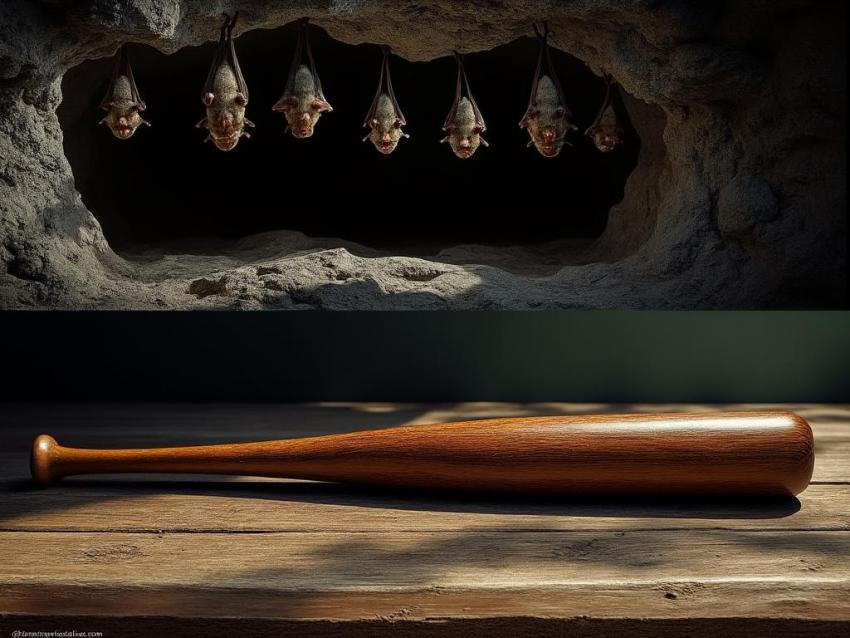
- Bank: A financial institution / The land alongside a river.
Homographs: Same Spelling, Different Sound
Homographs also share spelling, but they can sound different depending on the definition. These often trip students up during oral reading.
- Lead: (led) A type of metal / (leed) To guide or be in charge.

- Tear: (teer) A drop of water from the eye / (tair) To rip something.
Homophones: Different Spelling, Same Sound
Homophones are a whole other challenge. They're spelled differently, but sound the same, and show up all the time in writing.
- To / Too / Two: A preposition / Also / The number 2.
- Their / There / They’re: Possessive pronoun / A place / Contraction for “they are”.
This simple table can be a great addition to your classroom wall.
| Type | Spelling | Pronunciation | Meaning |
|---|---|---|---|
| Homonym | Same | Same | Different |
| Homograph | Same | Different | Different |
| Homophone | Different | Same | Different |
Engaging Classroom Strategies to Master Tricky Words
Ready to bring learning to life? Use a variety of activities, picture cards, and games—a fun way to practice multiple-meaning words beyond rote memorization.
The Power of Context Clues
Want students to identify the correct meaning of the word?
Teach them to be language detectives. When a multiple-meaning word pops up, context is everything. In different contexts, “watch” can mean a timepiece or an action.
Help them differentiate meanings and understand the nuance. It's a systematic skill worth building.
Visual Learning with Anchor Charts
Try building an anchor chart that makes tricky multiple meaning words easier to understand.
Use 2 pictures for each word, like an insect and an airplane for “fly”, alongside 2 meanings and clear example sentences.
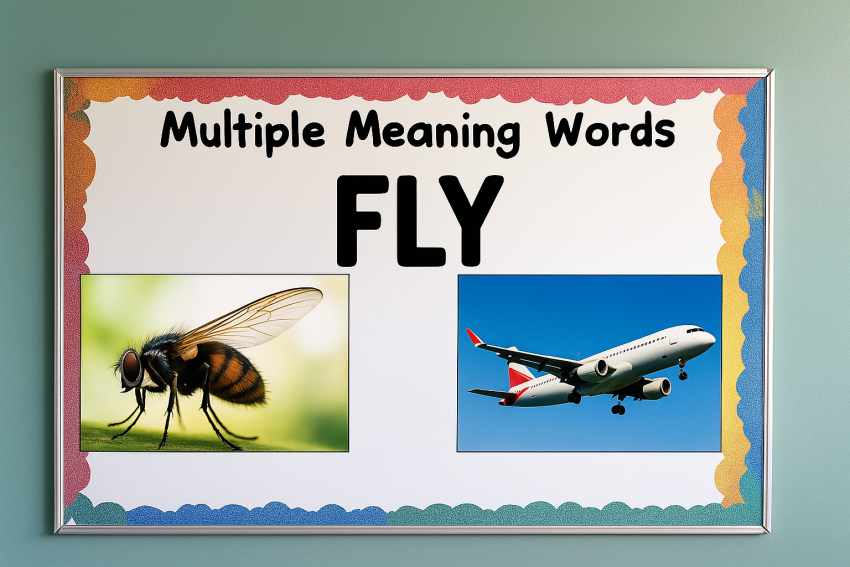
Visual cues like this help with receptive language, especially when teaching important multiple meaning words.
Want to level up? Turn the chart into a boom cards sample deck or use it to sort and review word meanings during group work or speech therapy sessions.
Turn Practice into Play with Interactive Worksheets
Let’s face it, traditional PDF worksheets can feel flat, especially for older students. But hands-on learning changes everything.
Interactive worksheets let students match and explore the meanings of each word in a hands-on way. Great for home practice, especially in 3rd grade, and a favorite tool among speech-language pathologists for building vocabulary and targeting articulation.
The Ultimate List: Multiple Meaning Words with Sentences
Use this comprehensive list of multiple meaning words grouped accordingly to meet your vocabulary goals. Practice using context clues, build task cards, or explore with Boom Learning activities.
A
Address
- (Noun) Please write down your full address on the form.
- (Verb) The president will address the nation tonight.
Arm
- (Noun) He broke his arm playing football.
- (Verb) The country began to arm its citizens.
B
Band
- (Noun) The rock band is very popular.
- (Noun) She used a rubber band to tie her hair.
Bank
- (Noun) I need to go to the bank to deposit this check.
- (Noun) We had a picnic on the bank of the river.

Bark
- (Noun) The dog’s bark is loud.
- (Noun) The tree’s bark is rough.
Bat
- (Noun) A bat is a flying mammal.
- (Noun) He swung the baseball bat.
Bill
- (Noun) I have to pay the electricity bill today.
- (Noun) The duck has a bright yellow bill.
Board
- (Noun) He nailed a board over the broken window.
- (Noun) The board of directors will meet tomorrow.
Bolt
- (Noun) He secured the door with a heavy bolt.
- (Verb) The horse will bolt if it gets scared.
Bow
- (Noun) She tied the ribbon into a perfect bow.
- (Verb) The actors took a bow at the end of the play.
Box
- (Noun) He packed his books in a cardboard box.
- (Verb) The two athletes will box for the championship title.
Bright
- (Adjective) The bright sun made it hard to see.
- (Adjective) She is a very bright student who always gets good grades.
C
Can
- (Noun) I opened a can of soup for lunch.
- (Verb) Can you help me with this heavy box?
Change
- (Verb) I need to change my clothes before the party.
- (Noun) Do you have any spare change for the vending machine?
Chest
- (Noun) He felt a pain in his chest.
- (Noun) The pirates buried a chest full of treasure.
Clip
- (Noun) She used a paper clip to hold the documents together.
- (Verb) I need to clip my nails.
Crane
- (Noun) The crane waded in the shallow water.
- (Noun) A crane lifted the heavy steel beams.
Current
- (Adjective) What is the current exchange rate?
- (Noun) The current in this river is very strong.
D
Date
- (Noun) What is the date of the meeting?
- (Noun) He asked her out on a date.
Desert
- (Noun) The Sahara is a vast desert.
- (Verb) A soldier must not desert his post.
Draft
- (Noun) I need to write a rough draft of my essay.
- (Noun) There’s a cold draft coming from the window.
Drop
- (Verb) Be careful not to drop the glass.
- (Noun) A single drop of rain fell on her nose.
Duck
- (Noun) A duck was swimming in the pond.
- (Verb) He had to duck to avoid being hit by the ball.
E
Express
- (Verb) He found it difficult to express his emotions.
- (Adjective) The express train will get you there in half the time.
F
Fair
- (Adjective) The judge made a fair decision.
- (Noun) We are going to the county fair this weekend.
Fall
- (Verb) The leaves fall from the trees in autumn.
- (Noun) Fall is my favorite season.
Fan
- (Noun) It was so hot that I had to turn on the fan.
- (Noun) He is a big fan of that football team.
Fine
- (Adjective) This is a fine piece of craftsmanship.
- (Noun) He had to pay a fine for parking illegally.
Fly
- (Verb) Birds can fly high in the sky.
- (Noun) A fly was buzzing around the room.
G
Grave
- (Noun) They visited their grandmother’s grave.
- (Adjective) The doctor had a grave expression on his face.
H
Hard
- (Adjective) The ground was hard after the frost.
- (Adjective) That was a hard test.
I
Iron
- (Noun) The bridge is made of iron and steel.
- (Verb) I need to iron my shirt before I go out.
Issue
- (Noun) Climate change is a major global issue.
- (Verb) The government will issue new passports.
J
Jam
- (Noun) I like to have toast and jam for breakfast.
- (Verb) The printer is not working because the paper is jammed.
K
Kind
- (Adjective) She is a very kind and caring person.
- (Noun) What kind of music do you like?
L
Lead
- (Verb) She will lead the team to victory.
- (Noun) The old pipes were made of lead.
Left
- (Noun) Turn left at the next corner.
- (Verb) She left her keys on the table.
Letter
- (Noun) I received a letter from my friend.
- (Noun) The word ‘cat’ has three letters.
Lie
- (Verb) I am going to lie down for a nap.
- (Verb) It is wrong to lie to your parents.
Light
- (Noun) Please turn on the light; it’s getting dark.
- (Adjective) This box is very light; I can carry it easily.
M
Match
- (Noun) Our team won the football match.
- (Noun) He struck a match to light the candle.
Mean
- (Verb) What do you mean by that?
- (Adjective) That was a mean thing to say.
Miss
- (Verb) He threw the ball, but I missed it.
- (Verb) I really miss my family when I am away.
N
Nail
- (Noun) He hammered a nail into the wall to hang a picture.
- (Noun) She painted her nails a bright red color.
Novel
- (Noun) She is reading a historical novel.
- (Adjective) That is a novel approach to the problem.
P
Palm
- (Noun) He held the small bird in the palm of his hand.
- (Noun) The tropical island was covered in palm trees.
Park
- (Noun) The children are playing in the park.
- (Verb) You can’t park your car here.
Patient
- (Noun) The doctor is with a patient right now.
- (Adjective) You need to be patient when learning a new skill.
Play
- (Verb) The children went outside to play.
- (Noun) We are going to see a play tonight.
Pound
- (Noun) A kilogram is equal to about 2.2 pounds.
- (Verb) He began to pound on the door.
Pupil
- (Noun) The teacher praised the diligent pupil.
- (Noun) The doctor checked the patient’s pupils.
R
Right
- (Adjective) That is the right answer.
- (Noun) Make a right turn at the traffic light.
Ring
- (Noun) She wore a beautiful diamond ring on her finger.
- (Verb) The phone began to ring.
Rock
- (Noun) He skipped a rock across the surface of the lake.
- (Verb) She began to rock the baby to sleep.
Rose
- (Noun) He gave her a single red rose.
- (Verb) The sun rose early this morning.
Ruler
- (Noun) The country was led by a benevolent ruler.
- (Noun) He used a ruler to draw a straight line.
S
Saw
- (Noun) He used a saw to cut the branches off the tree.
- (Verb) I saw a movie last night.
Scale
- (Noun) I need to use the scale to weigh the ingredients.
- (Verb) The climbers will attempt to scale the mountain.
Seal
- (Noun) We watched the seal playing in the water.
- (Verb) Please seal the envelope before you mail it.
Sink
- (Verb) The heavy ship began to sink.
- (Noun) Please put the dirty dishes in the sink.
Spring
- (Noun) Spring is a time of new beginnings.
- (Verb) The cat is about to spring on the mouse.
Stalk
- (Noun) He cut the flower at the base of the stalk.
- (Verb) It is a crime to stalk someone.
Star
- (Noun) You can see many stars in the sky at night.
- (Noun) He is a famous movie star.
Suit
- (Noun) He wore a dark suit to the interview.
- (Verb) Does that time suit you for a meeting?
T
Tear
- (Verb) Be careful not to tear the delicate fabric.
- (Noun) A single tear rolled down her cheek.
Tie
- (Verb) Can you tie your own shoelaces?
- (Noun) He wore a shirt and tie to the wedding.
Tire
- (Noun) My car has a flat tire.
- (Verb) I tire easily after a long day of work.
Trip
- (Noun) We are planning a trip to the mountains.
- (Verb) Be careful not to trip over the rug.
W
Watch
- (Verb) I like to watch movies on the weekend.
- (Noun) He looked at his watch to check the time.
Wave
- (Noun) The surfers were riding the big waves.
- (Verb) She began to wave as the train pulled away.
Well
- (Adverb) She sings very well.
- (Noun) They drew water from the well.
Conclusion
Teaching multiple meaning words isn’t just about vocabulary, but a boost for speech language skills and reading confidence.
As a teacher or SLP, you know the magic happens when students finally “get” that one word can mean two totally different things.
Use visual aids, context clues, and even this multiple meaning words list to help. Across every grade level, it’s a game-changer.