Concepts and comments Units 1 and 2

English

Exercise 1: Vocabulary Matching

Instructions: Match the vocabulary words with their correct definitions.

  1. Hogan
  2. Artifacts
  3. Amateur
  4. Graffiti
  5. Impartiality
  6. Porcelain
  7. Ceremony
  8. Peacekeeping
  9. Torture
  10. Tapestries

Definitions: a. A traditional Navajo house. b. Objects made by humans, typically of cultural or historical interest. c. Non-professional; doing something for fun, not as a job. d. Words or drawings scratched or painted on a wall. e. Fairness; not favoring one side over another. f. A fine, white ceramic material. g. A ritual or formal event. h. The maintenance of peace by an international military force. i. Cruel treatment or punishment. j. Artworks made of cloth, often used as wall hangings.

Exercise 2: Fill in the Blanks

Instructions: Fill in the blanks with the appropriate vocabulary words from the list.

  1. The ______ is a traditional Navajo house where sand paintings are often made.
  2. Archeologists study ______ to learn about past cultures.
  3. The cave paintings were discovered by three ______ explorers.
  4. ______ is often considered vandalism rather than art.
  5. Amnesty International is known for its ______ in handling human rights cases.
  6. ______ is a highly valued type of ceramic material.
  7. The healing ______ is an important part of Navajo culture.
  8. The United Nations is involved in ______ missions around the world.
  9. Amnesty International campaigns against ______.
  10. Early permanent sand paintings were actually ______ woven by Hosteen Klah.

Vocabulary List: Hogan, artifacts, amateur, graffiti, impartiality, porcelain, ceremony, peacekeeping, torture, tapestries

Exercise 3: Synonyms and Antonyms

Instructions: Identify the synonyms and antonyms for the given vocabulary words.

  1. Adapt
    • Synonym: ______
    • Antonym: ______
  2. Controversy
    • Synonym: ______
    • Antonym: ______
  3. Preserved
    • Synonym: ______
    • Antonym: ______
  4. Humanitarian
    • Synonym: ______
    • Antonym: ______
  5. Campaign
    • Synonym: ______
    • Antonym: ______

Exercise 4: Sentence Creation

Instructions: Create sentences using the following vocabulary words. Each student should create three sentences and then share them with each other.

  1. Hogan
  2. Artifacts
  3. Amateur
  4. Graffiti
  5. Impartiality
  6. Porcelain
  7. Ceremony
  8. Peacekeeping
  9. Torture
  10. Tapestries

Exercise 5: Vocabulary Quiz (Kahoot)

Instructions: Create a Kahoot quiz with the following multiple-choice questions. Each question should have four options, with one correct answer.

  1. What is a hogan?
    • A) A type of food
    • B) A traditional Navajo house
    • C) A musical instrument
    • D) A type of clothing
  2. What does 'artifacts' refer to?
    • A) Natural objects
    • B) Human-made objects of historical interest
    • C) Modern technology
    • D) Fictional items
  3. What does 'amateur' mean?
    • A) Professional
    • B) Expert
    • C) Non-professional
    • D) Skilled
  4. What is 'graffiti'?
    • A) Sculptures
    • B) Paintings on canvas
    • C) Words or drawings scratched or painted on a wall
    • D) Digital art
  5. What does 'impartiality' mean?
    • A) Bias
    • B) Fairness
    • C) Prejudice
    • D) Favoritism
  6. What is 'porcelain'?
    • A) A type of metal
    • B) A fine, white ceramic material
    • C) A kind of fabric
    • D) A type of wood
  7. What is a 'ceremony'?
    • A) A casual meeting
    • B) A ritual or formal event
    • C) A spontaneous gathering
    • D) An informal party
  8. What is 'peacekeeping'?
    • A) Starting conflicts
    • B) The maintenance of peace by an international military force
    • C) Ignoring disputes
    • D) Promoting violence
  9. What does 'torture' mean?
    • A) Kindness
    • B) Cruel treatment or punishment
    • C) Comfort
    • D) Healing
  10. What are 'tapestries'?
    • A) Paintings on paper
    • B) Artworks made of cloth, often used as wall hangings
    • C) Sculptures made of stone
    • D) Digital prints

Exercise 6: Word Association

Instructions: For each vocabulary word, write down three words that you associate with it. Share your associations with your partner and discuss why you chose those words.

  1. Hogan
  2. Artifacts
  3. Amateur
  4. Graffiti
  5. Impartiality
  6. Porcelain
  7. Ceremony
  8. Peacekeeping
  9. Torture

Tapestries

IGNORANCE

English Language Arts (ELA)

Children of certain very naive clan were taught by ignorant mullah. He was illiterate and couldn’t even read in Uzbek. He gave every boy a paper with some lines scratched. The lesson he instructed the, was as follows:
— The price for wedding is the horse.
— The birth of child is great happiness and is followed with great reward.
— The price for giving a name is a strong horse.
— The price for circumcision is three camels.
— The price for pardoning sins is five camels.
Once some other mullah who was wise and literate visited that aul. When he entered madrasah, illiterate mullah start talking to some boy as if teaching him a lesson, though indeed he was addressing the other mullah:
— There is no need to talk much, who needs this chatting? I have fifteen camels and one horse. The half is mine and other half will be yours.

B
One Tatar once run out from his house on midnight not even taking a hat. He was followed by his scared wife and kinds. Tatar run first, as fast as he could, broke into his neighbor’s house and started looking for the best place to hide.
“What happened?” — the neighbor asked him.
Tatar gathered his breath for a moment and told his story, “For a very long time imps and jinns have been dwelling in my house. Every night when we go to bed, shaitans[19] summon on our roof, they play there, and bump and knock through all the night. I have summoned mullahs to my home for several times already, they said lot of prayers and I spent lot of money, but I still can’t get rid of them. This night imps started run and bump as they do it usually; I lay sleepless also. Suddenly one jinn broke through the roof and jump right upon me. I got up, passed over him and run away. When I was running, I accidentally touched his horns. Apyrai, I didn’t even know shaitans have got horns!
The neighbor was a man wise, so he said, “Let’s go to your house with lantern and take a look at it in the light.
They have asked three or four men with them and went to Tatar’s house. When they entered, they saw that the roof was made of bulrush and was not very sound, and in the middle of the roof there was a hole. Then they looked around the house, and in the corner they saw a nanny goat. It was lying calmly and chewed something.
In a while they heard little goatlings crying on the roof. The goat also heard it, it got up and begun to bleat. Goatlings then descended from the roof through the hole as well, and joined their mother. It turned out, that the nanny goat and goatlingsbelonged to that Tatar and his neighbors. In the nights they came to eat hay, with which the roof was covered, and played there. The nanny goat, that was found in the house, was simply too big, so it broke down inside, leaving the hole in the roof.

When kittens are ready to leave their mother

pet

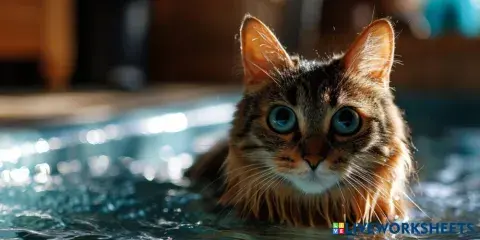
When it comes to kittens, the bond with their mother is crucial for their development and well-being. Understanding when kittens can safely leave their mom is essential for ensuring their health and socialization. Here's a comprehensive guide on when can kittens leave their mom and how to prepare them for their transition to a new home.

Age Matters

Kittens should ideally stay with their mother and littermates for at least 8 to 10 weeks. During this time, they learn important social and behavioral skills from their mother and siblings. These skills include proper grooming techniques, litter box usage, and how to interact with other cats.

Weaning Process

Around 4 weeks of age, kittens begin the weaning process, where they start to transition from nursing to eating solid food. This process usually continues until they are 8 weeks old, at which point they should be fully weaned and eating solid kitten food.

Socialization Period

Between 2 to 7 weeks of age, kittens go through a critical socialization period where they learn how to interact with other cats and humans. During this time, they develop important social skills and behaviors that will shape their personalities as adult cats.

Physical Development

Kittens need time to develop physically before they can be separated from their mother. At around 8 weeks of age, kittens are typically fully weaned, have developed their coordination and strength, and are ready to explore their environment more independently.

Health Considerations

Before separating kittens from their mother, it's essential to ensure they are in good health. They should have received their initial vaccinations and deworming treatments from their mother or a veterinarian. Additionally, they should be free from any signs of illness or congenital defects.

Transitioning to a New Home

When kittens are ready to leave their mother, it's crucial to make the transition as smooth as possible. This includes preparing a safe and comfortable environment for them in their new home, complete with a cozy bed, litter box, food, and water. Providing toys and scratching posts will also help keep them mentally and physically stimulated.

Gradual Separation

If possible, consider a gradual separation process where kittens spend short periods of time away from their mother before the final separation. This helps them adjust to their new surroundings and reduces the stress of the transition.

Adoption Age

Many reputable breeders and rescue organizations adhere to a minimum adoption age of 8 weeks for kittens. This ensures that kittens have had adequate time with their mother and littermates and are developmentally ready to transition to their new homes.

Conclusion

Knowing when kittens can safely leave their mother is essential for their health and well-being. By allowing kittens to stay with their mother for at least 8 to 10 weeks, ensuring they are in good health, and providing a smooth transition to their new home, you can help set them up for a happy and healthy life. Remember to consult with a veterinarian or animal welfare expert for personalized advice on caring for kittens during this critical stage of their development.

สร้างและปรับแต่งใบงานสำหรับทุกห้องเรียน

LiveWorksheets ทำให้คุณครู ผู้ปกครอง และผู้สอนแบบโฮมสคูล สามารถออกแบบและมอบสื่อการเรียนรู้ที่น่าสนใจได้อย่างง่ายดาย เพียงอัปโหลดไฟล์ PDF หรือเริ่มต้นสร้างใหม่ทั้งหมด คุณก็สามารถทำได้ทุกอย่าง ไม่ว่าจะเป็นใบงานคณิตศาสตร์แบบโต้ตอบ ใบงานอ่านจับใจความ ใบงานการคูณ หรือใบงานสำหรับเด็กอนุบาล ด้วยขั้นตอนเพียงไม่กี่คลิก เครื่องมือแก้ไขแบบลากและวางของเรารองรับทุกระดับชั้นและทุกวิชา ช่วยให้คุณปรับเนื้อหาให้ตรงกับแผนการสอน การบ้าน หรือแบบทดสอบ ครูสอนภาษาอังกฤษ (ESL) ยังสามารถสร้างใบงาน ESL แบบเฉพาะ เพิ่มตารางเสียงภาษาอังกฤษ หรือออกแบบกิจกรรม ESL เพื่อให้การเรียนสนุกและมีส่วนร่วมมากขึ้น สร้างกิจกรรมที่ปรับระดับได้ ตรวจอัตโนมัติ ช่วยประหยัดเวลา และสนับสนุนการเรียนรู้ของนักเรียนให้ดียิ่งขึ้น

คลังสื่อการเรียนรู้ครบวงจรสำหรับ K-12 และ ESL

เข้าถึงใบงานที่พร้อมใช้หลายพันชุด ครอบคลุมทุกวิชาในระดับ K-12 รวมถึงใบงานอนุบาล ใบงานคณิตศาสตร์ แบบฝึกการคูณ แบบฝึกอ่านจับใจความ และทรัพยากร ESL เลือกค้นหาตามชั้นเรียน วิชา หรือระดับทักษะ เพื่อให้ได้สิ่งที่คุณต้องการ ไม่ว่าจะสำหรับห้องเรียนประถม ทบทวนในระดับมัธยมต้น หรือการฝึกในระดับมัธยมปลาย ครู ESL ยังสามารถสำรวจคลังใบงาน ESL และกิจกรรมภาษาอังกฤษที่ออกแบบมาเพื่อรองรับผู้เรียนทุกระดับ เนื้อหาใหม่ถูกเพิ่มเข้ามาอย่างต่อเนื่อง LiveWorksheets จึงเป็นทรัพยากรที่ยืดหยุ่นและช่วยสร้างผลลัพธ์การเรียนรู้ที่ยั่งยืน