อยากได้แบบฝึกหัดฟรีนับพัน (ไม่มีสิ่งรบกวนเลย)? Here’s how
Worksheets
$1.99/เดือน ด้วยบัญชีฟรี — ลงทะเบียนได้ในไม่กี่วินาที
ได้รับความนิยมมากที่สุด
Newest
Oldest
A-Z
Z-A
Grammar - ESL
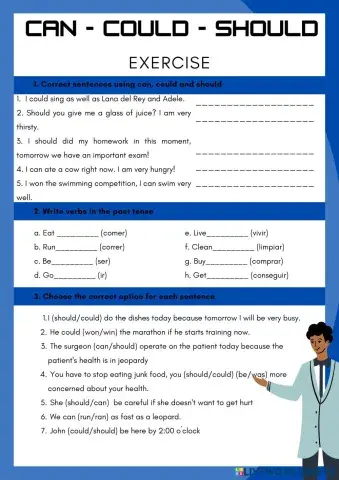
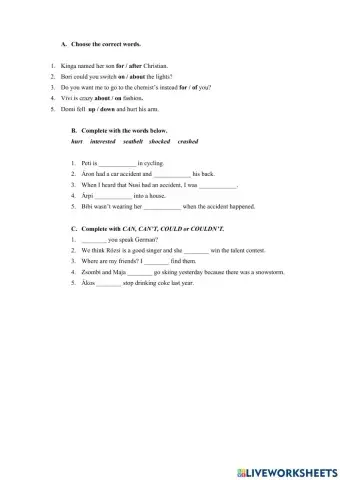
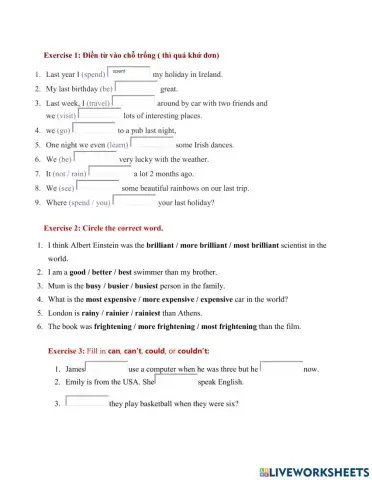
fill in with can can't could couldn't
Reading - ESL
Choose the correct option
English as a Second Language (ESL)
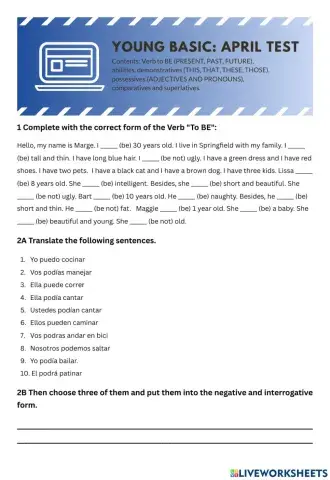
VERB TO BE (PRESENT, PAST AND FUTURE), CAN/COULD/WILL BE ABLE TO, DEMONSTRATIVES (THIS, THAT, THESE AND THOSE), POSSESSIVES (ADJECTIVES AND PRONOUNS), COMPARATIVES AND SUPERLATIVES.
Can and Could Present simple and present continuous Adjectives and Adverbs
use of may, can, could and mo¿ight
English language
Choose the correct answer.
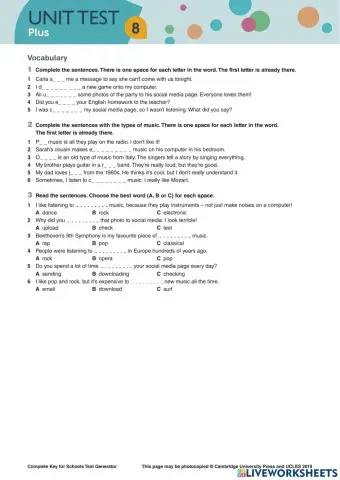
Vocabulary - Language Arts
Use the correct formof the verbs to complete
Complete the activities
Vocabulary: fun activities and sports Grammar: adjectives, gerunds and can/could
Exercise: Fill in the blanks with CAN or COULD
sdfasdfa
Filling in the blanks with the correct form of the verb, implementing the structure of the wish clause in present tense.
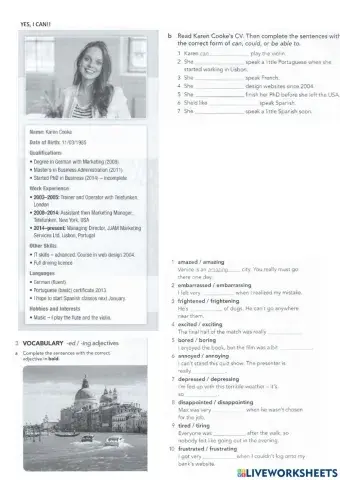
An activity to practice both can, could, be able to and adjectives endings
Revision of vocabulary and can/could
Writing - Language Arts
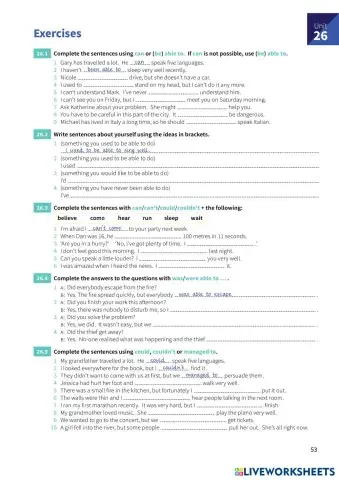
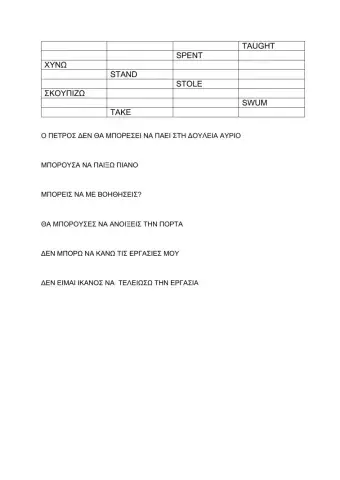
can, could, be able to
Past Continuous & Modal (can/could)
Practice Can can't / Could Couldn't
Simple past, comparative, can-could
CAN COULD BE ABLE TO
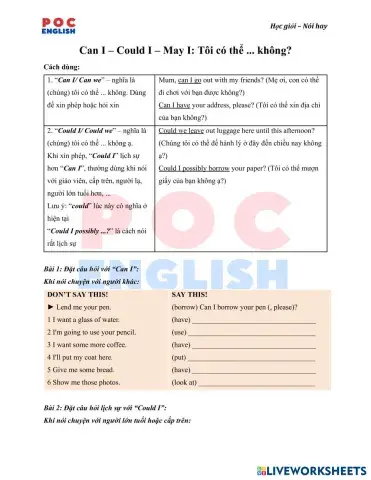
"Can" and "could" are modal verbs with distinct uses for ability, possibility, and permission. "Can" refers to present abilities or a strong possibility, while "could" indicates past abilities or a weaker, more uncertain possibility. "Could" is also considered more polite when making requests or asking for permission.
do the exercise
Answer the questions.