อยากได้แบบฝึกหัดฟรีนับพัน (ไม่มีสิ่งรบกวนเลย)? Here’s how
ได้รับความนิยมมากที่สุด
Newest
Oldest
A-Z
Z-A
Vocabulary - ESL
Complete the activities
Aswer
Grammar - ESL
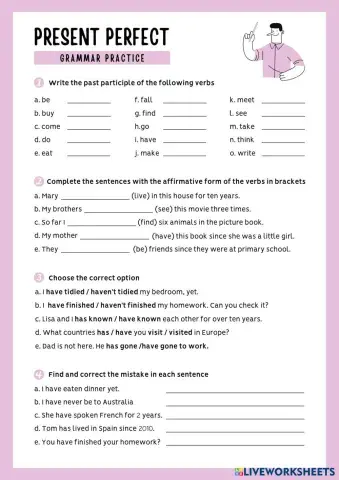
Grammar practice
solve
Listening - ESL
You will hear a chemical engineering student called Jack Byers talking about his course and a research project he took part in during his summer vacation. For questions 7 – 14, complete the sentences with a word or short phrase.
This is a quizz to see what you are understood about the Present Simple Tense and Atmospheric Phenomena
Reading - ESL
practicar para el examen
Complete
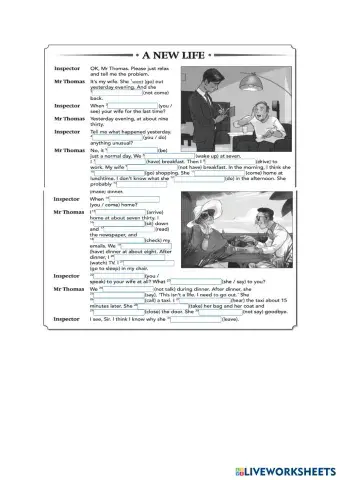
Fill in the blanks
Read carefully each instruction given in the test.
DO THE ACTIVITY!
Work neatly
listen and match
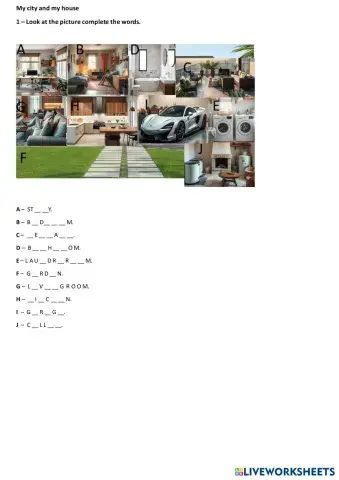
Read and complete.
LISTEN AND COMPLETE THE TASKS
lol
Look at each picture. What emotion is the person showing? Select the correct answer.
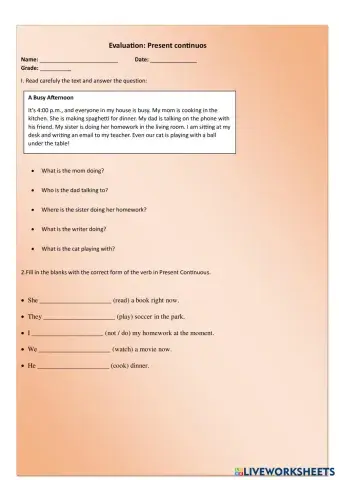
Resolve the evaluation about present continuos.You have 30 minutes to resolve.
Listen to practice
Read and complete the activities.
Read and complete
Read carefully and complete each part.


 Switch to Legacy Search Page