SYDNEY OPERA HOUSE

Vocabulary - English Language

🟦 Questions de compréhension simple

  • Compréhension 1 — Where is the Sydney Opera House?

  • Compréhension 2 — What country is it in?

  • Compréhension 3 — When did it become a UNESCO World Heritage Site?

  • Compréhension 4 — Who imagined the architecture of the Opera House?

  • Compréhension 5 — What famous bridge is next to the Opera House?

🟩 Questions vrai / faux

  • VraiFaux 1 — The Sydney Opera House is in Europe.

  • VraiFaux 2 — Many visitors do not attend a show.

  • VraiFaux 3 — The building looks like a boat or a shell.

  • VraiFaux 4 — It was built by an Australian architect.

🟨 Questions de vocabulaire (anglais ↔ français)

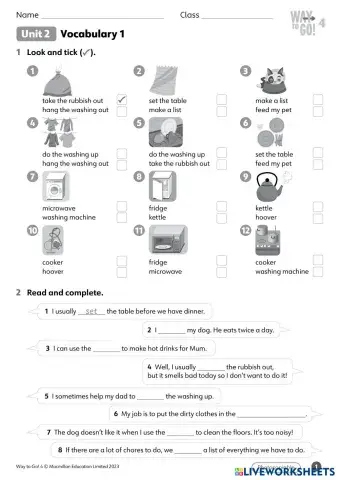
  • Vocab 1 — What is a house in French?

  • Vocab 2 — What is famous in French?

  • Vocab 3 — What is a century in French?

  • Vocab 4 — What is a building in French?

  • Vocab 5 — What is the world in French?

🟧 Questions d’observation (images)

  • Image 1 — What shapes can you see in the Opera House?

  • Image 2 — What colours would you use to colour the Opera House?

  • Image 3 — Is the Opera House near the water or in the mountains?

  • Image 4 — Do you see trees or a park around it?

🟪 Questions d’expression orale (simples)

  • Oral 1 — Do you think the building looks like a boat or a shell?

  • Oral 2 — Would you like to visit the Opera House? Why?

  • Oral 3 — What shows do you think people can watch there?

  • Oral 4 — Is it a modern or an old building?

🟫 Questions d’inférences (niveau CM1)

  • Inférence 1 — Why do you think it is a famous place?

  • Inférence 2 — Why do many visitors not attend a show?

  • Inférence 3 — Why might the Opera House be a symbol of Australia?

🟦 Mini‑tâches d’écriture (phrases très courtes)

  • Écriture 1 — Write one sentence about what the Opera House looks like.

  • Écriture 2 — Write one sentence about where it is.

  • Écriture 3 — Write one sentence about what you can do there.

🟩 Questions “jeu rapide” (flashcards orales)

  • Flash 1 — Say one word from the vocabulary table.

  • Flash 2 — Spell the word world.

  • Flash 3 — Spell the word house.

  • Flash 4 — Give one adjective to describe the Opera House.

🟧 Questions de mise en relation (anglais ↔ idées)

  • Relier 1 — Match: Australia / building / famous / world with the correct French words.

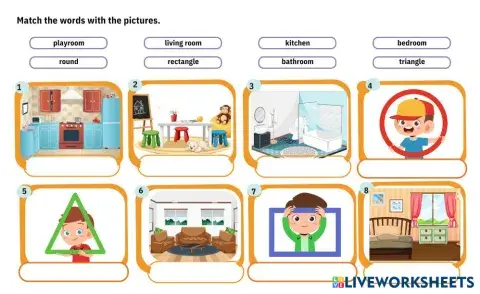
  • Relier 2 — Match: boat / shell / bridge / park with the pictures.

🟪 Questions créatives

  • Créatif 1 — Imagine you design a new Opera House. What shape would it have?

  • Créatif 2 — Invent a nickname for the Sydney Opera House.

  • Créatif 3 — Draw your own version and describe it with 3 English words.

29.1 homework

Grammar - English Language

Câu 1. She ___ to school every day.
A. go
B. goes
C. is going
D. went

Câu 2. They ___ TV when I came home.
A. watch
B. watched
C. were watching
D. are watching

Câu 3. We ___ this movie before.
A. see
B. saw
C. have seen
D. will see

Câu 4. He ___ English for 5 years.
A. learns
B. learned
C. has learned
D. is learning

Câu 5. She is ___ than her sister.
A. tall
B. taller
C. tallest
D. more tall

Câu 6. This is the ___ book I’ve ever read.
A. interesting
B. more interesting
C. most interesting
D. interest

Câu 7. They ___ to Hanoi tomorrow.
A. go
B. went
C. will go
D. have gone

Câu 8. My father usually ___ up at 6 a.m.
A. get
B. gets
C. got
D. is getting

Câu 9. While she ___, the phone rang.
A. sleeps
B. slept
C. was sleeping
D. is sleeping

Câu 10. I ___ my homework yet.
A. don’t finish
B. didn’t finish
C. haven’t finished
D. won’t finish

Câu 11. This exercise is ___ than the last one.
A. easy
B. easier
C. easiest
D. more easy

Câu 12. He ___ football yesterday.
A. plays
B. played
C. is playing
D. has played

Câu 13. She ___ a letter right now.
A. writes
B. wrote
C. is writing
D. has written

Câu 14. They ___ each other since 2020.
A. know
B. knew
C. have known
D. are knowing

Câu 15. This is the ___ day of my life.
A. happy
B. happier
C. happiest
D. more happy

Câu 16. We ___ lunch when it started to rain.
A. have
B. had
C. were having
D. are having

Câu 17. She ___ speak English very well.
A. can
B. must
C. should
D. need

Câu 18. I ___ him tomorrow.
A. meet
B. met
C. will meet
D. have met

Câu 19. This house is ___ than that one.
A. big
B. bigger
C. biggest
D. more bigger

Câu 20. He ___ to music at the moment.
A. listens
B. listened
C. is listening
D. has listened

Past Simple

Grammar - English Language

1. Read the sentence and choose the correct past form of the verb in brackets.

  1. Yesterday, the Pitufo ___ (go / went / goed) to the forest.

  2. I ___ (write / wrote / writed) a note for my teacher.

  3. He ___ (eat / ate / eated) a big cake.

  4. We ___ (see / saw / seen) a funny teddy on the table.

  5. She ___ (run / ran / runned) very fast in the playground.

  6. I ___ (make / made / maked) a drawing of a basketball.

  7. The Pitufo ___ (sleep / slept / sleeped) all morning.

  8. He ___ (catch / caught / catched) the ball during the game.

  9. I ___ (find / foud / found) my favorite Pitufo toy under the bed.

  10. Pitufina ___ (teach / taught / teached) the Pitufo to jump.

  11. He ___ (drink / drank / drinked) some juice.

  12. I ___ (cut / cutted / cut) the paper.

  13. They ___ (walk / walked / walking) to the playground together.

  14. The teddy ___ (slide / slided / slid) from the sofa.

  15. I ___ (feel / felt / feeled) happy because I played with the Pitufo.

 2. Look at the verb in brackets and write it in the past. 

  1. Yesterday, I ___ (walk) to the park with my Pitufo.

  2. He ___ (eat) a mushroom before playing basketball.

  3. The Pitufo ___ (run) to catch the ball.

  4. I ___ (see) a big teddy on the chair.

  5. She ___ (write) a letter to thank her friend.

  6. We ___ (go) to the playground after school.

  7. The Pitufo ___ (draw) a picture of his house.

  8. I ___ (drink) some water after running.

  9. Yesterday, I ___ (buy) a new basketball.

  10. He ___ (make) a sandwich for his peluche.

  11. I ___ (find) my Pitufo toy under the bed.

  12. The teddy ___ (slide) down the small slide.

  13. He ___ (catch) the ball very fast.

  14. She ___ (teach) the Pitufo how to play basketball.

  15. I ___ (feel) happy because the Pitufo came to school.

สร้างและปรับแต่งใบงานสำหรับทุกห้องเรียน

LiveWorksheets ทำให้คุณครู ผู้ปกครอง และผู้สอนแบบโฮมสคูล สามารถออกแบบและมอบสื่อการเรียนรู้ที่น่าสนใจได้อย่างง่ายดาย เพียงอัปโหลดไฟล์ PDF หรือเริ่มต้นสร้างใหม่ทั้งหมด คุณก็สามารถทำได้ทุกอย่าง ไม่ว่าจะเป็นใบงานคณิตศาสตร์แบบโต้ตอบ ใบงานอ่านจับใจความ ใบงานการคูณ หรือใบงานสำหรับเด็กอนุบาล ด้วยขั้นตอนเพียงไม่กี่คลิก เครื่องมือแก้ไขแบบลากและวางของเรารองรับทุกระดับชั้นและทุกวิชา ช่วยให้คุณปรับเนื้อหาให้ตรงกับแผนการสอน การบ้าน หรือแบบทดสอบ ครูสอนภาษาอังกฤษ (ESL) ยังสามารถสร้างใบงาน ESL แบบเฉพาะ เพิ่มตารางเสียงภาษาอังกฤษ หรือออกแบบกิจกรรม ESL เพื่อให้การเรียนสนุกและมีส่วนร่วมมากขึ้น สร้างกิจกรรมที่ปรับระดับได้ ตรวจอัตโนมัติ ช่วยประหยัดเวลา และสนับสนุนการเรียนรู้ของนักเรียนให้ดียิ่งขึ้น

คลังสื่อการเรียนรู้ครบวงจรสำหรับ K-12 และ ESL

เข้าถึงใบงานที่พร้อมใช้หลายพันชุด ครอบคลุมทุกวิชาในระดับ K-12 รวมถึงใบงานอนุบาล ใบงานคณิตศาสตร์ แบบฝึกการคูณ แบบฝึกอ่านจับใจความ และทรัพยากร ESL เลือกค้นหาตามชั้นเรียน วิชา หรือระดับทักษะ เพื่อให้ได้สิ่งที่คุณต้องการ ไม่ว่าจะสำหรับห้องเรียนประถม ทบทวนในระดับมัธยมต้น หรือการฝึกในระดับมัธยมปลาย ครู ESL ยังสามารถสำรวจคลังใบงาน ESL และกิจกรรมภาษาอังกฤษที่ออกแบบมาเพื่อรองรับผู้เรียนทุกระดับ เนื้อหาใหม่ถูกเพิ่มเข้ามาอย่างต่อเนื่อง LiveWorksheets จึงเป็นทรัพยากรที่ยืดหยุ่นและช่วยสร้างผลลัพธ์การเรียนรู้ที่ยั่งยืน