British families

English language

British Families

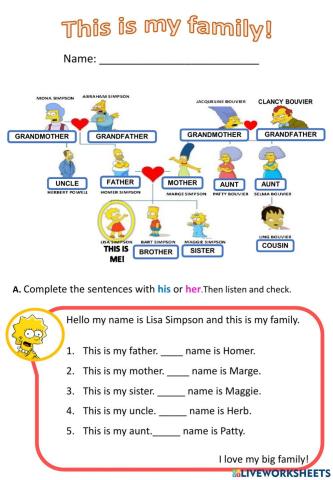
British families come in all shapes and sizes. Traditionally, the nuclear family, consisting of two parents and their children, was the norm. However, the structure of British families has evolved over the years.

The traditional British family typically consisted of a father, a mother, and their biological or adopted children, living together under one roof.

In recent years, changes in British family structures include an increase in the number of single-parent households, often due to factors like divorce or separation. Additionally, there has been a rise in stepfamilies where parents from previous relationships come together with their children. Extended families, with multiple generations living together, have also become more common.

British families today often include single-parent households, stepfamilies, and extended families. These changes reflect the diverse society in the United Kingdom.

Diverse family structures in the UK today may include families with same-sex parents, families with a mix of cultural backgrounds, and families with close bonds to relatives who live abroad.

The increasing diversity of British family structures can be attributed to changes in societal norms, more liberal attitudes towards marriage and relationships, and the influence of globalization, which brings people from various cultural backgrounds into contact with one another.

In British culture, family gatherings and celebrations are important. Major holidays like Christmas and Easter are typically celebrated with extended family, and many families have their own unique traditions.

Family gatherings and celebrations in British culture foster a sense of togetherness, strengthen family bonds, and provide an opportunity for people to reconnect with distant relatives. These events are often characterized by festive meals, gift-giving, and traditions that have been passed down through generations.

One unique family tradition in my own family involves an annual summer camping trip where we gather by a lake, share stories around a campfire, and participate in friendly outdoor competitions. It's a special time for us to reconnect and create lasting memories.

Additionally, British families place a strong emphasis on education and typically support their children through various stages of their academic journey. Education is seen as a key to future success.

Education is highly valued in British families because it is seen as the pathway to personal growth, career opportunities, and economic stability. Parents often encourage their children to excel in their studies and may provide additional tutoring or resources to support their learning.

In my own family, support for my education includes my parents helping me with homework, providing access to educational resources, and discussing my academic goals and aspirations.

In recent years, there has been a growing trend of families in the United Kingdom sharing household responsibilities more equally, with both parents taking on roles in childcare and housekeeping.

The trend of sharing household responsibilities equally in British families involves both parents being actively involved in child-rearing and household chores, challenging traditional gender roles. This trend reflects a shift towards gender equality and work-life balance.

I believe that sharing household responsibilities equally is a positive trend because it promotes gender equality, allows parents to share the joys and challenges of parenting, and can lead to more harmonious family dynamics. It also sets a positive example for children, showing them that responsibilities should be shared based on capabilities rather than gender.

1: What was the traditional structure of a British family?

a) A family consisting of a single parent and their children.

b) A family consisting of two parents and their children.

c) A family consisting of grandparents and their grandchildren.

2: In recent years, what changes have occurred in the structure of British families?

a) There has been a decrease in the number of single-parent households.

b) Extended families have become less common.

c) There has been an increase in the number of stepfamilies.

3: What is the role of family gatherings and celebrations in British culture?

a) They are unimportant and rarely celebrated in British culture.

b) They provide an opportunity for family members to bond and reconnect.

c) They are limited to immediate family members only.

4: Why is education highly valued in British families?

a) Education is seen as a way to prevent family members from spending too much time together.

b) Education is a way to maintain traditional family values.

c) Education is seen as a key to personal growth, career opportunities, and economic stability.

5: What is the significance of the trend of sharing household responsibilities equally in British families?

a) It reinforces traditional gender roles.

b) It promotes gender equality and work-life balance.

c) It discourages both parents from being actively involved in child-rearing and housekeeping.


PRESENT SIMPLE

English as a Second Language (ESL)

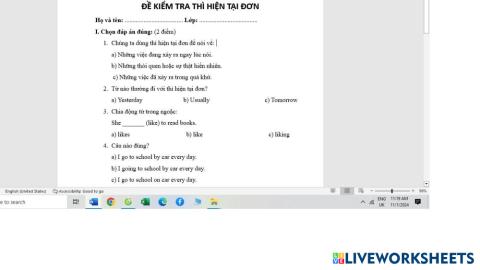
ĐỀ KIỂM TRA THÌ HIỆN TẠI ĐƠN

Họ và tên: ..................................... Lớp: .....................................

I. Chọn đáp án đúng: (2 điểm)

  1. Chúng ta dùng thì hiện tại đơn để nói về:

a) Những việc đang xảy ra ngay lúc nói.

b) Những thói quen hoặc sự thật hiển nhiên.

 c) Những việc đã xảy ra trong quá khứ.

  1. Từ nào thường đi với thì hiện tại đơn?

a) Yesterday                          b) Usually                                   c) Tomorrow

  1. Chia động từ trong ngoặc:

She _______ (like) to read books.

a) likes                                    b) like                                          c) liking

  1. Câu nào đúng?

a) I go to school by car every day.

b) I going to school by car every day.

c) I go to school on car every day.

II. Điền vào chỗ trống với dạng đúng của động từ trong ngoặc: (2.5 điểm)

  1. My father _______ (watch) TV every evening.
  2. We _______ (not play) football on Sundays.
  3. She _______ (get up) at 6 a.m every day.
  4. They _______ (live) in a big house.
  5. He _______ (like) to eat ice cream.

III. Viết lại các câu sau theo yêu cầu: (1.5 điểm)

  1. I play badminton every afternoon. (Viết thành câu phủ định) ................................................................................
  2. Does she like to swim? (Viết thành câu khẳng định) ................................................................................
  3. They go to school by bike. (Đặt câu hỏi) ................................................................................

IV. Sắp xếp các từ sau thành câu hoàn chỉnh: (1.0 điểm)

  1. every / I / day / school / go / to. ................................................................................
  2. likes / she / music / listen / to. ...............................................................................

V. Đọc đoạn văn sau và trả lời câu hỏi: (1.0 điểm)

My name is Hoa. I am 10 years old. I live in a small house with my family. Every day, I get up at 6 o’clock. I brush my teeth and then I have breakfast. I go to school at 7 o’clock. I like to play badminton after school.

  1. How old is Hoa? .......................................................................................
  2. Where does Hoa live? ................................................................................
  3. What does Hoa do after school?..................................................................

VI. Nói về một hoạt động hàng ngày của em bằng tiếng Anh. (2 điểm)

...............................................................................................................................................................................................................................................................................................................................................................................................................................................................................................................................................................................................................................................................................................................................................................................................................................................................................................................................................................................................................................................................................................................................................................................................................................................................................................................................................................................................................................................................................................................................................................................................................................................................................................................................................................................................................................................................................................................................................................................................................................................................................................................................................................................................................................................................................................................................................................................................................................................................................................................................................................................................................................................................................................................................................................................................................................................................................................................................................................................................................................................................................................................................................

ĐỀ KIỂM TRA THÌ HIỆN TẠI ĐƠN

Họ và tên: ..................................... Lớp: .....................................

I. Chọn đáp án đúng: (2 điểm)

  1. Chúng ta dùng thì hiện tại đơn để nói về:

a) Những việc đang xảy ra ngay lúc nói.

b) Những thói quen hoặc sự thật hiển nhiên.

 c) Những việc đã xảy ra trong quá khứ.

  1. Từ nào thường đi với thì hiện tại đơn?

a) Yesterday                          b) Usually                                   c) Tomorrow

  1. Chia động từ trong ngoặc:

She _______ (like) to read books.

a) likes                                    b) like                                          c) liking

  1. Câu nào đúng?

a) I go to school by car every day.

b) I going to school by car every day.

c) I go to school on car every day.

II. Điền vào chỗ trống với dạng đúng của động từ trong ngoặc: (2.5 điểm)

  1. My father _______ (watch) TV every evening.
  2. We _______ (not play) football on Sundays.
  3. She _______ (get up) at 6 a.m every day.
  4. They _______ (live) in a big house.
  5. He _______ (like) to eat ice cream.

III. Viết lại các câu sau theo yêu cầu: (1.5 điểm)

  1. I play badminton every afternoon. (Viết thành câu phủ định) ................................................................................
  2. Does she like to swim? (Viết thành câu khẳng định) ................................................................................
  3. They go to school by bike. (Đặt câu hỏi) ................................................................................

IV. Sắp xếp các từ sau thành câu hoàn chỉnh: (1.0 điểm)

  1. every / I / day / school / go / to. ................................................................................
  2. likes / she / music / listen / to. ...............................................................................

V. Đọc đoạn văn sau và trả lời câu hỏi: (1.0 điểm)

My name is Hoa. I am 10 years old. I live in a small house with my family. Every day, I get up at 6 o’clock. I brush my teeth and then I have breakfast. I go to school at 7 o’clock. I like to play badminton after school.

  1. How old is Hoa? .......................................................................................
  2. Where does Hoa live? ................................................................................
  3. What does Hoa do after school?..................................................................

VI. Nói về một hoạt động hàng ngày của em bằng tiếng Anh. (2 điểm)

...............................................................................................................................................................................................................................................................................................................................................................................................................................................................................................................................................................................................................................................................................................................................................................................................................................................................................................................................................................................................................................................................................................................................................................................................................................................................................................................................................................................................................................................................................................................................................................................................................................................................................................................................................................................................................................................................................................................................................................................................................................................................................................................................................................................................................................................................................................................................................................................................................................................................................................................................................................................................................................................................................................................................................................................................................................................................................................................................................................................................................................................................................................................................................


Create and Customize Worksheets for Every Classroom

LiveWorksheets makes it easy for teachers, parents and homeschool educators to design and deliver engaging learning materials. Upload a PDF or start from scratch to create what you need: anything from interactive math worksheets to reading comprehension worksheets, multiplication worksheets, and kindergarten worksheets in just a few clicks. Our drag-and-drop editor works across all grade levels and subjects, so you can tailor content to your lesson plans, homework, or assessments. ESL teachers can also build custom ESL worksheets, add a common sound chart, or integrate ESL activities to make each class more engaging. Easily create differentiated, auto-graded activities that save valuable time and support better student learning.

A Complete Library of Learning Resources for K-12 and ESL

Access thousands of ready-to-use worksheets across K-12 subjects, including kindergarten worksheets, math worksheets, multiplication practice, reading comprehension exercises, and ESL resources. Filter by grade, subject, or skill level to find exactly what you need, whether it’s for an elementary classroom, middle school review, or high school practice. ESL teachers can explore our growing collection of ESL worksheets and English as a Second Language activities designed to support all levels of learners. With new content added regularly, LiveWorksheets is a flexible resource that helps build lasting learning outcomes.