Your soaps are just as important in the very competitive market of today as the product itself. For soap makers, creative packaging serves not only as a need but also as a chance to wow your customers and increase sales. Emphasizing their critical importance in increasing sales as well as offering a unique client experience, this article will show the ways that inventive soap boxes impact your company.
How Soap Packaging Boxes Affect Sales
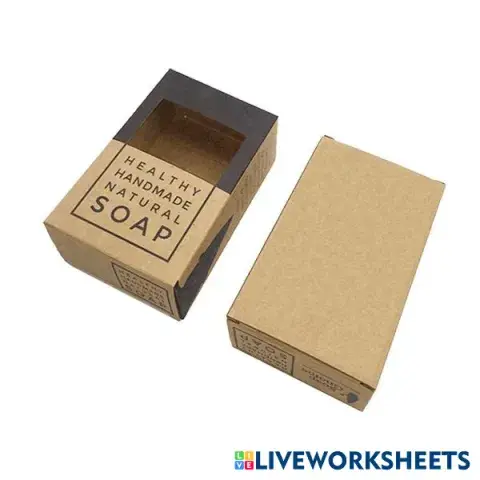
Soap packaging boxes so go beyond simple protection of packaging. They are the main connection between the image of the brand and potential consumers. In a setting with many choices for packing, the purchase might depend much on it. Investing in creative soap packaging boxes might greatly improve the impression and perceived value of your business.
One Creates A Lasting First Impression.
Packaging of goods follows the ancient adage "You never get a second chance to make a first impression". Making bespoke soap boxes with attractive designs and premium materials can help your clients to remember you. Whether your soap is organic gorgeous, opulent, or handcrafted, use packaging that captures the sentiments you want to convey. The ideal packaging would not only catch attention but also convey the worth and excellence of the soap.
2. Variations Among The Rivals
Being able to stand out is essential in a highly competitive business. Designed to order, the soap packing boxes highlight the chance to set your brand apart. The soap will set your business apart from the others with unusual forms, vivid colors, or unusual packaging materials. Original design and packaging solutions including environmentally friendly choices might boost the attractiveness of the brand and leave long-lasting effects on your consumers.
Personal Connection Made Possible With Custom Soap Boxes
One cannot fully appreciate the influence of personalized soap boxes. Customers' emotional connection with your business will be strengthened by packaging that sets off memories, therefore increasing repeat business. Discover how to use the emotional power found in the packaging you employ.
1. Exercising Brand Values
The packaging of your soap ought to convey the impression of your company and your values. If your company is dedicated to encouraging sustainability, then choosing eco-friendly materials, and making it clear in your packaging might help environmentally aware consumers. If your business is well-known for its exceptional quality, attractive and simple packaging sends a strong impression. Consumers are more likely to be connecting with your business and believing in a product if they feel its design fits their beliefs and ideals.
2. Organizing A Special Event
Usually used for personal use, soap may also be utilized as a kind of self-care tool or as a kind gift. Designed for you, the custom-made soap boxes might enhance the whole experience and foster a memorable celebration environment. Such as packaging with incredible designs, unique patterns, or customized inscriptions may transform regular soap into a lifetime present. An emotional link may boost client satisfaction and generate income.
- The Useful Effects Of Novel Soap Packaging
Apart from the aesthetic and emotional value, creative packaging for soap that is unique has useful advantages that could boost the sales of your company. The following describes:
1. Improving Product Coverage
Well-designed soap packaging boxes not only look great but also serve to provide your goods with efficient protection. While it's in transportation or storage, it's essential to make sure the packaging you employ is strong and damage-free. It will lead to positive evaluations and better business as well as lower the quantity of returns and raise customer happiness.
2: Simplifying Processes
Novel packaging ideas and creative package designs might boost the running activities of your business. Especially, easily built and stacked packaging may help your warehouse run more efficiently. Furthermore, easy-to-open packaging with tabs and tear strips improves the client experience, therefore facilitating access to your goods.
Changing To Innovative Packaging Solutions
Changing to a brand soap packaging that is fresh should not be a difficult chore. Start by re viewing your present packaging and noting areas needing change. Choose a reputable designer who would profit from developing your business's vision for suitable packaging solutions. Think about adding consumer comments to ensure the packaging you create will be able to satisfy their needs and preferences.
1. Development Research And Education
Make sure you know about the newest trends in soap packaging and innovations. Look at the many materials, designs, and techniques that could improve the look and utility of your package. Create prototypes and test them on the target consumers with the design group to get their reaction.
2. Progressive Adoption
Start carefully with tweaks meant to reduce disturbance and lower expenses. Test your new packaging's efficacy starting with a small sample. After getting comments from consumers, make changes based on their demands before you start distributing the new packaging across all of your products.
In Essence, Releasing The Potential Of Your Brand.
Not just a marketing tool, special soap box packaging is also a must for raising sales and improving the impression of your company. Your customers will succeed more if you design packaging that leaves an impact differentiates the image of your company and is emotionally relevant to them. Seize this chance to improve the packaging for your soaps and see how it affects not only the look of your soaps but also the general running performance of your company. Consumers desire packaging that captures the highest caliber and dedication to quality you apply to your products. Following the correct strategy will provide just that, boosting sales and fostering lifetime client loyalty at the same time.


 Switch to New Search Page