The Last Name Project - African-American History

History - Social Studies

📝 My Last Name Project Worksheet
Discovering the Meaning Behind Your Family Name

Name: _________________________  Date: _________________________


🔍 Part 1: Discover Your Name

1. What Does My Last Name Mean?
Go to a name website like BehindTheName.com or talk to a family member.

My last name is: _______________________________

It comes from (country or culture): _______________________________

It means: ________________________________________________________


2. How Did African Americans Get Their Last Names?
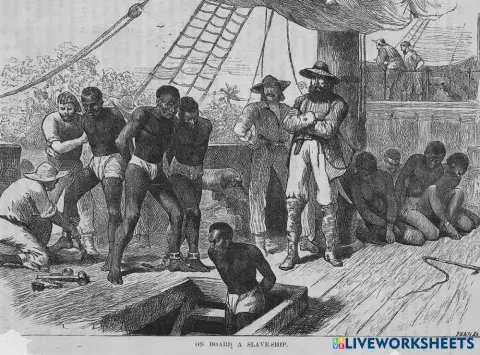
Read, research, or discuss how African Americans received their last names (from enslavers, free ancestors, or choosing their own).

Write 3–4 sentences:

🏡 Part 2: Family & Identity

1. Ask a Family Member
Talk to a parent, grandparent, or guardian and write what you learn.

  • Do you know where our last name comes from?
  • Has it changed over time?
  • What does it mean to our family?

Write 2–3 sentences about what you learned:

2. If You Could Choose a Last Name...
If you could pick a last name that shows who you are, what would it be?

My chosen name would be: _______________________________________

Why?

🎨 Part 3: Show What You Learned

✅ Choose ONE way to show what you discovered about your name:

Poster – Draw your name, its meaning, and pictures or symbols that represent your family.
Short Report – Write 1 page (or a paragraph) explaining everything you learned.
Family Tree – Draw a simple family tree that shows people with your last name.
Video or Audio Interview – Record yourself explaining what you learned!

🧠 Need Help?

  • Ask your teacher for a printed family interview sheet.
  • Use a sentence starter if you're stuck.
  • Draw instead of writing where needed!

U.S. Supreme Court Justices

Civics and Government - Social Studies

Part 1: Meet the Justices (10–12 minutes)

Directions: Use your notes, textbook, or prior knowledge to complete the chart.

Justice NameAppointed By (President)Year AppointedConsidered Liberal, Conservative, or ModerateOne Interesting Fact

John Roberts

Clarence Thomas

Samuel Alito

Sonia Sotomayor

Elena Kagan

Neil Gorsuch

Brett Kavanaugh

Amy Coney Barrett

Ketanji Brown Jackson

Part 2: Quick Understanding (5–7 minutes)

Directions: Answer in complete sentences.

  1. What is the role of the Supreme Court in the U.S. government?
  2. What does it mean when a justice is described as “liberal” or “conservative”?
  3. Who is the Chief Justice, and how is that role different from the other justices?
  4. Why do Supreme Court justices serve for life?

Part 3: Patterns & Observations (5–6 minutes)

Directions: Look at your completed chart and answer the questions.

  1. Which presidents appointed the most current justices?
  2. Do most justices lean liberal, conservative, or is the Court balanced? Explain.
  3. What trend do you notice about when most justices were appointed (recent vs. long ago)?
  4. Why might the timing of appointments matter for the country?

Part 4: Critical Thinking (8–10 minutes)

Directions: Answer each question in 2–4 sentences. Support your ideas.

  1. Why is it important that Supreme Court justices are independent from elections and political pressure?
  2. Do you think the Supreme Court should reflect the political views of the country? Why or why not?
  3. Should there be term limits for Supreme Court justices instead of lifetime appointments? Explain your reasoning.
  4. Imagine you are the president—what qualities would you look for when choosing a Supreme Court justice?
  5. Which do you think matters more: a justice’s personal beliefs or their interpretation of the Constitution? Defend your answer.

Extension (Optional / Early Finishers)

Option A: Rank the Importance
Rank the following from most important to least important when selecting a justice and explain your top choice:

  • Experience
  • Political beliefs
  • Age
  • Background/diversity
  • Judicial philosophy

Option B: Real-World Connection
Write 3–4 sentences explaining how Supreme Court decisions affect everyday life (school, rights, laws, etc.).

Crea y personaliza fichas interactivas para cada aula

LiveWorksheets facilita a profesorado, familias y personas que educan en casa el diseño y la entrega de materiales de aprendizaje atractivos. Solo tienes que subir un PDF o empezar desde cero para crear lo que necesites: desde fichas interactivas de matemáticas hasta ejercicios de comprensión lectora, fichas de multiplicación o actividades para infantil, todo en unos pocos clics. Nuestro editor de arrastrar y soltar funciona en todos los cursos y asignaturas, lo que te permite adaptar el contenido a tus programaciones, deberes o evaluaciones. Quienes enseñan inglés como segunda lengua (ESL) también pueden crear sus propias fichas, añadir cuadros de sonidos comunes o integrar actividades de ESL para hacer cada clase más participativa. Además, podrás diseñar fácilmente tareas diferenciadas y autocorregidas que ahorran tiempo y apoyan un mejor aprendizaje del alumnado.

Una biblioteca completa de recursos para K-12 y ESL

Accede a miles de fichas listas para usar en todas las asignaturas de K-12, incluidas actividades para infantil, matemáticas, práctica de multiplicación, comprensión lectora y recursos de ESL. Filtra por curso, materia o nivel de competencia para encontrar exactamente lo que necesitas, ya sea para un aula de primaria, una revisión en secundaria o actividades de práctica en bachillerato. El profesorado de ESL puede explorar nuestra colección en constante crecimiento de fichas y actividades de inglés como segunda lengua, diseñadas para apoyar a estudiantes de todos los niveles. Con nuevo contenido añadido de forma regular, LiveWorksheets es un recurso flexible que ayuda a lograr aprendizajes duraderos.