Five Amazing National Parks in the USA

Reading - ESL

Read the article carefully about five amazing U.S. national parks. Then, complete the exercises below to check your understanding. There are True/False questions, multiple choice, and gap-fill tasks. 


Five Amazing National Parks in the USA


The United States has many national parks. These are special places that protect nature, animals, and history. Each park has different landscapes, climates, and wildlife. Let’s explore five famous parks: Acadia, Everglades, Yosemite, Glacier, and Badlands.


1.🌊 Acadia National Park (Maine)


Acadia is in Maine, on the northeast coast of the USA. It has forests, mountains, and beautiful views of the Atlantic Ocean. The weather is cold in winter and cool in summer. In autumn, the trees turn red and orange. Acadia was created in 1916 by President Woodrow Wilson. It was the first national park east of the Mississippi River. A man named George B. Dorr, called the “Father of Acadia,” helped protect the land. Wildlife includes deer, foxes, and birds like loons and peregrine falcons. You can also see sea animals in tidal pools. A special place in Acadia is Cadillac Mountain, where you can see the first sunrise in the U.S. during winter.


2.🐊 Everglades National Park (Florida)


The Everglades is in southern Florida. It is a large wetland with rivers, trees, and grass. The weather is hot and wet in summer, and dry in winter. It is called the “River of Grass” because water moves slowly through the land. The park was created in 1947 to protect the ecosystem. It was the first park made to save nature, not just pretty views. It is also a UNESCO World Heritage Site. Animals include alligators, manatees, and the rare Florida panther. There are over 360 kinds of birds. The Everglades has the largest mangrove forest in the Western Hemisphere.


3.🏔️ Yosemite National Park (California)


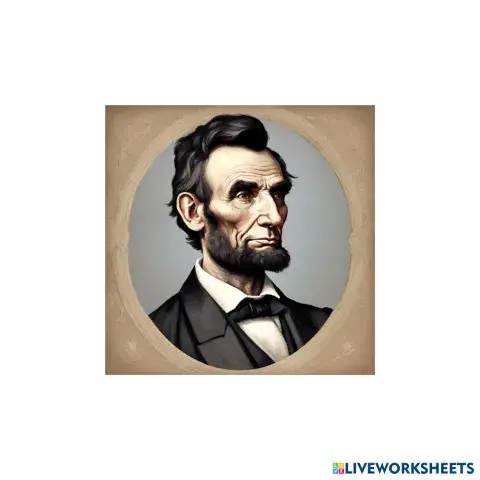
Yosemite is in California, in the Sierra Nevada mountains. It has waterfalls, cliffs, and giant trees. The weather is snowy in winter and warm in summer. In 1864, President Abraham Lincoln signed the Yosemite Grant, making it the first land protected by the U.S. government. In 1890, it became a national park thanks to John Muir, a famous nature writer and explorer. Animals include black bears, deer, and mountain lions. Yosemite is famous for El Capitan and Half Dome, two huge rock formations. It also has giant sequoia trees, some over 2,000 years old.


4.❄️ Glacier National Park (Montana)


Glacier is in Montana, near the border with Canada. It has glaciers, lakes, and mountains. The weather is cold in winter and mild in summer. The park is called the “Crown of the Continent.”

It became a national park in 1910. The land was first home to Native American tribes like the Blackfeet and Flathead. Today, scientists study how the glaciers are melting because of climate change.

Wildlife includes grizzly bears, moose, and mountain goats. A famous road in the park is Going-to-the-Sun Road, which crosses the mountains and gives amazing views.


5.🏜️ Badlands National Park (South Dakota)


Badlands is in South Dakota. It has rocky hills, colorful cliffs, and prairies. The weather is very hot in summer and cold in winter. The land looks like another planet!

The area was home to the Lakota Sioux people. In the 1890s, they held Ghost Dances here, a ceremony to bring peace and hope. The park became official in 1978.

Animals include bison, prairie dogs, and hawks. The Badlands are famous for fossils of ancient animals like saber-toothed cats and miniature horses. Scientists still find new fossils today.

Thanksgiving

Writing - ESL

A Time for Thanks... and Reflection: The Story of

Thanksgiving is like, the most American holiday ever, right? We picture Pilgrims, turkeys, and a big

feast, all about being thankful. But there's way more to it than just that. It's got a long history, and

not all of it is as simple as the stories we hear in elementary school.

Harvest festivals and giving thanks have been around forever. Think ancient Greeks honoring

Demeter or Jewish celebrations like the Feast of the Tabernacles. Even way back in 1607, British

colonists in Maine gave thanks for arriving safely. But the Thanksgiving we know today? That story

gets a little more complicated.

Some people think the first Thanksgiving actually happened in Virginia in 1619. A colony called

Berkley Hundred held a religious service to celebrate their ship's arrival and said they'd do it every

year. But that colony didn't last, so the Pilgrims got all the credit. The Pilgrims, who landed near

Plymouth Rock, are usually credited with holding a harvest celebration with the Wampanoag tribe

in 1621. They ate things like lobster, clams, and, of course, "wild turkeys".

Here's where it gets tricky. The story we usually hear is all about Pilgrims and Native Americans

having a friendly meal together. But that's only one side of the story. Many Native Americans see

Thanksgiving as a reminder of what they lost when Europeans came to America. After that first

Thanksgiving, things changed quickly. There were massacres and wars, and Native Americans lost

their land and independence. So, for them, Thanksgiving isn't always a happy holiday.

Created with web.diffit.meIt's important to remember that history isn't always simple. There are different perspectives, and

it's good to hear them all. Some people might argue that focusing on the negative aspects of

Thanksgiving is disrespectful to the Pilgrims and the idea of giving thanks. They might say that it's

important to celebrate the good things in our history, even if they're not perfect. But others would

say that ignoring the negative aspects is disrespectful to Native Americans and their experiences.

They might argue that it's important to acknowledge the full history of Thanksgiving, both the

good and the bad.

Over time, Thanksgiving became more than just a harvest celebration. Presidents started

declaring days of Thanksgiving, and Abraham Lincoln made it a national holiday in 1863. The White

House even has its own Thanksgiving traditions, like the turkey pardon. The turkey pardon became

a tradition when President George H.W. Bush pardoned a turkey in 1989.

Today, Thanksgiving is a mix of traditions. We travel to see family, eat a big feast, watch parades

and football, and maybe even break a wishbone. Some people volunteer to help others in need.

But it's also a time to remember the real history of Thanksgiving, with all its complexities, and to

be respectful of different viewpoints. It's a time to be thankful, but also to think about the past

and how it affects the present

Create and Customize Worksheets for Every Classroom

LiveWorksheets makes it easy for teachers, parents and homeschool educators to design and deliver engaging learning materials. Upload a PDF or start from scratch to create what you need: anything from interactive math worksheets to reading comprehension worksheets, multiplication worksheets, and kindergarten worksheets in just a few clicks. Our drag-and-drop editor works across all grade levels and subjects, so you can tailor content to your lesson plans, homework, or assessments. ESL teachers can also build custom ESL worksheets, add a common sound chart, or integrate ESL activities to make each class more engaging. Easily create differentiated, auto-graded activities that save valuable time and support better student learning.

A Complete Library of Learning Resources for K-12 and ESL

Access thousands of ready-to-use worksheets across K-12 subjects, including kindergarten worksheets, math worksheets, multiplication practice, reading comprehension exercises, and ESL resources. Filter by grade, subject, or skill level to find exactly what you need, whether it’s for an elementary classroom, middle school review, or high school practice. ESL teachers can explore our growing collection of ESL worksheets and English as a Second Language activities designed to support all levels of learners. With new content added regularly, LiveWorksheets is a flexible resource that helps build lasting learning outcomes.