7 Deadly Sins of Presentations

English as a Second Language (ESL)


The 7 Deadly Sins of Presentations


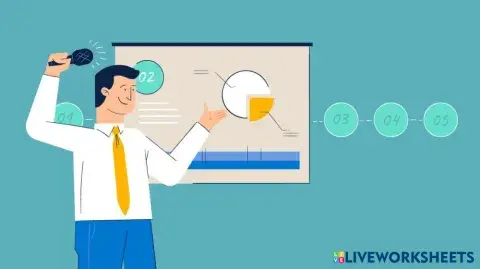
I've been to a lot of presentations. Some have been good, but many have been bad. Very bad. So I thought it might be helpful to put together a list of the seven deadly sins of presentations.1. Lack of preparation: This is the most common sin. There's no _____(1) for not preparing. You should know your script and your slides inside out. If you don't, then your audience will know you're not prepared and they'll _____(2) interest.2. Too much information: Many presenters try to include too much information in their talks. They think that if they say everything about their subject, then people will be impressed. But actually, people get _____(3) very quickly. Your presentation should be simple and clear.3. Reading from the slides: This is another very common mistake. You should never read directly from your slides. People can read for themselves. Instead, you should use your slides to help explain what you're saying. For example, you could use photos or diagrams.4. No structure: A good presentation needs a clear structure. Your audience wants to know where you're going. You should start by telling them what you're going to talk about, then go into more _____(4), and finally summarise what you've said.5. Not making eye contact: This is a big problem for many presenters. They look at their notes or at the screen, but they don't look at the audience. Eye contact is very important. It helps you connect with your audience and makes them feel involved.6. Speaking too quickly: When you're nervous, it's easy to speak too quickly. But if you speak too fast, people won't understand you. You need to slow down and give people time to think.7. No enthusiasm: Finally, the most serious sin of all is not being enthusiastic about your subject. If you're not interested, then your audience certainly won't be. You need to show how much you care about what you're saying.So those are the seven deadly sins of presentations. Make sure you _____(5) them!


Exercise: Forming Questions about Clothes

English as a Second Language (ESL)

Exercise: Forming Questions about Clothes

Part 1: Yes/No Questions

Rewrite the sentences below as yes/no questions using "do" or "does".

  1. You need a new shirt.
    • Question: Do you need a new shirt?
  2. She wants a pair of jeans.
    • Question: Does she want a pair of jeans?
  3. They like the red dress.
    • Question: Do they like the red dress?
  4. He has a blue jacket.
    • Question: Does he have a blue jacket?
  5. We need some new shoes.
    • Question: Do we need some new shoes?

Part 2: Information Questions

Rewrite the statements below as information questions using "do" or "does" and the question words (what, which, why, when, where, who).

  1. You need a new shirt.
    • Question: What do you need?
  2. She wants a pair of jeans.
    • Question: What does she want?
  3. They like the red dress.
    • Question: Which dress do they like?
  4. He has a blue jacket.
    • Question: What color jacket does he have?
  5. We need some new shoes.
    • Question: What do we need?

Part 3: Create Your Own Questions

Now, create your own yes/no and information questions about clothes using the verbs need, want, like, and have.

  1. (Yes/No Question)
    • Statement: I need a warm sweater.
    • Question:
    • Why do you want to buy a new jacket?
  2. (Information Question)
    • Statement: She likes the black boots.
    • Question: What color shoes does she like?
  3. (Yes/No Question)
    • Statement: They have a lot of scarves.
    • Question: ____Do they have a lot of scarves_________________________________?
  4. (Information Question)
    • Statement: He wants a new belt.
    • Question: ______What does he want___________________________?


Part 1: Yes/No Questions

Rewrite the sentences below as yes/no questions using "do" or "does".

  1. You need a new shirt.
    • Question: Do you need a new shirt?
  2. She wants a pair of jeans.
    • Question: Does she want a pair of jeans?
  3. They like the red dress.
    • Question: Do they like the red dress?
  4. He has a blue jacket.
    • Question: Does he have a blue jacket?
  5. We need some new shoes.
    • Question: Do we need some new shoes?

Part 2: Information Questions

Rewrite the statements below as information questions using "do" or "does" and the question words (what, which, why, when, where, who).

  1. You need a new shirt.
    • Question: What do you need?
  2. She wants a pair of jeans.
    • Question: What does she want?
  3. They like the red dress.
    • Question: Which dress do they like?
  4. He has a blue jacket.
    • Question: What color jacket does he have?
  5. We need some new shoes.
    • Question: What do we need?

Part 3: Create Your Own Questions

Now, create your own yes/no and information questions about clothes using the verbs need, want, like, and have.

  1. (Yes/No Question)
    • Statement: I need a warm sweater.
    • Question: ________Do you need a sweater__________________?
  2. (Yes/No Question)
    • Statement: They have a lot of scarves.
    • Question: ______________Do they have a scarf_____________?

Exercise: Forming Questions with Why, What, Which, and One/Ones

Part 1: Complete the Questions

Complete the questions using "why," "what," "which," "one," or "ones."

  1. ____Why____ do you want to buy a new jacket?
  2. ___What_____ color shoes do you need?
  3. ___Which_____ dress do you like, the red one or the blue one?
  4. ___What_____ do you have in your shopping bag?
  5. _____Which___ do you prefer, the striped shirt or the plain one?
  6. _____Why___ did you choose the black boots?
  7. ___Which_____ jeans are more comfortable, the skinny ones or the regular ones?
  8. ____What____ accessories do you want to wear with your outfit?
  9. ____Which____ of these hats is your favorite?
  10. _____Why__ does he need a new suit?


Create and Customize Worksheets for Every Classroom

LiveWorksheets makes it easy for teachers, parents and homeschool educators to design and deliver engaging learning materials. Upload a PDF or start from scratch to create what you need: anything from interactive math worksheets to reading comprehension worksheets, multiplication worksheets, and kindergarten worksheets in just a few clicks. Our drag-and-drop editor works across all grade levels and subjects, so you can tailor content to your lesson plans, homework, or assessments. ESL teachers can also build custom ESL worksheets, add a common sound chart, or integrate ESL activities to make each class more engaging. Easily create differentiated, auto-graded activities that save valuable time and support better student learning.

A Complete Library of Learning Resources for K-12 and ESL

Access thousands of ready-to-use worksheets across K-12 subjects, including kindergarten worksheets, math worksheets, multiplication practice, reading comprehension exercises, and ESL resources. Filter by grade, subject, or skill level to find exactly what you need, whether it’s for an elementary classroom, middle school review, or high school practice. ESL teachers can explore our growing collection of ESL worksheets and English as a Second Language activities designed to support all levels of learners. With new content added regularly, LiveWorksheets is a flexible resource that helps build lasting learning outcomes.