SYDNEY OPERA HOUSE

Vocabulary - English Language

🟦 Questions de compréhension simple

  • Compréhension 1 — Where is the Sydney Opera House?

  • Compréhension 2 — What country is it in?

  • Compréhension 3 — When did it become a UNESCO World Heritage Site?

  • Compréhension 4 — Who imagined the architecture of the Opera House?

  • Compréhension 5 — What famous bridge is next to the Opera House?

🟩 Questions vrai / faux

  • VraiFaux 1 — The Sydney Opera House is in Europe.

  • VraiFaux 2 — Many visitors do not attend a show.

  • VraiFaux 3 — The building looks like a boat or a shell.

  • VraiFaux 4 — It was built by an Australian architect.

🟨 Questions de vocabulaire (anglais ↔ français)

  • Vocab 1 — What is a house in French?

  • Vocab 2 — What is famous in French?

  • Vocab 3 — What is a century in French?

  • Vocab 4 — What is a building in French?

  • Vocab 5 — What is the world in French?

🟧 Questions d’observation (images)

  • Image 1 — What shapes can you see in the Opera House?

  • Image 2 — What colours would you use to colour the Opera House?

  • Image 3 — Is the Opera House near the water or in the mountains?

  • Image 4 — Do you see trees or a park around it?

🟪 Questions d’expression orale (simples)

  • Oral 1 — Do you think the building looks like a boat or a shell?

  • Oral 2 — Would you like to visit the Opera House? Why?

  • Oral 3 — What shows do you think people can watch there?

  • Oral 4 — Is it a modern or an old building?

🟫 Questions d’inférences (niveau CM1)

  • Inférence 1 — Why do you think it is a famous place?

  • Inférence 2 — Why do many visitors not attend a show?

  • Inférence 3 — Why might the Opera House be a symbol of Australia?

🟦 Mini‑tâches d’écriture (phrases très courtes)

  • Écriture 1 — Write one sentence about what the Opera House looks like.

  • Écriture 2 — Write one sentence about where it is.

  • Écriture 3 — Write one sentence about what you can do there.

🟩 Questions “jeu rapide” (flashcards orales)

  • Flash 1 — Say one word from the vocabulary table.

  • Flash 2 — Spell the word world.

  • Flash 3 — Spell the word house.

  • Flash 4 — Give one adjective to describe the Opera House.

🟧 Questions de mise en relation (anglais ↔ idées)

  • Relier 1 — Match: Australia / building / famous / world with the correct French words.

  • Relier 2 — Match: boat / shell / bridge / park with the pictures.

🟪 Questions créatives

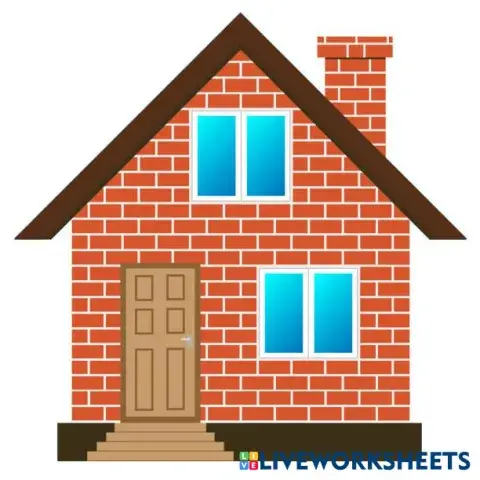
  • Créatif 1 — Imagine you design a new Opera House. What shape would it have?

  • Créatif 2 — Invent a nickname for the Sydney Opera House.

  • Créatif 3 — Draw your own version and describe it with 3 English words.

29.1 homework

Grammar - English Language

Câu 1. She ___ to school every day.
A. go
B. goes
C. is going
D. went

Câu 2. They ___ TV when I came home.
A. watch
B. watched
C. were watching
D. are watching

Câu 3. We ___ this movie before.
A. see
B. saw
C. have seen
D. will see

Câu 4. He ___ English for 5 years.
A. learns
B. learned
C. has learned
D. is learning

Câu 5. She is ___ than her sister.
A. tall
B. taller
C. tallest
D. more tall

Câu 6. This is the ___ book I’ve ever read.
A. interesting
B. more interesting
C. most interesting
D. interest

Câu 7. They ___ to Hanoi tomorrow.
A. go
B. went
C. will go
D. have gone

Câu 8. My father usually ___ up at 6 a.m.
A. get
B. gets
C. got
D. is getting

Câu 9. While she ___, the phone rang.
A. sleeps
B. slept
C. was sleeping
D. is sleeping

Câu 10. I ___ my homework yet.
A. don’t finish
B. didn’t finish
C. haven’t finished
D. won’t finish

Câu 11. This exercise is ___ than the last one.
A. easy
B. easier
C. easiest
D. more easy

Câu 12. He ___ football yesterday.
A. plays
B. played
C. is playing
D. has played

Câu 13. She ___ a letter right now.
A. writes
B. wrote
C. is writing
D. has written

Câu 14. They ___ each other since 2020.
A. know
B. knew
C. have known
D. are knowing

Câu 15. This is the ___ day of my life.
A. happy
B. happier
C. happiest
D. more happy

Câu 16. We ___ lunch when it started to rain.
A. have
B. had
C. were having
D. are having

Câu 17. She ___ speak English very well.
A. can
B. must
C. should
D. need

Câu 18. I ___ him tomorrow.
A. meet
B. met
C. will meet
D. have met

Câu 19. This house is ___ than that one.
A. big
B. bigger
C. biggest
D. more bigger

Câu 20. He ___ to music at the moment.
A. listens
B. listened
C. is listening
D. has listened

Past Simple

Grammar - English Language

1. Read the sentence and choose the correct past form of the verb in brackets.

  1. Yesterday, the Pitufo ___ (go / went / goed) to the forest.

  2. I ___ (write / wrote / writed) a note for my teacher.

  3. He ___ (eat / ate / eated) a big cake.

  4. We ___ (see / saw / seen) a funny teddy on the table.

  5. She ___ (run / ran / runned) very fast in the playground.

  6. I ___ (make / made / maked) a drawing of a basketball.

  7. The Pitufo ___ (sleep / slept / sleeped) all morning.

  8. He ___ (catch / caught / catched) the ball during the game.

  9. I ___ (find / foud / found) my favorite Pitufo toy under the bed.

  10. Pitufina ___ (teach / taught / teached) the Pitufo to jump.

  11. He ___ (drink / drank / drinked) some juice.

  12. I ___ (cut / cutted / cut) the paper.

  13. They ___ (walk / walked / walking) to the playground together.

  14. The teddy ___ (slide / slided / slid) from the sofa.

  15. I ___ (feel / felt / feeled) happy because I played with the Pitufo.

 2. Look at the verb in brackets and write it in the past. 

  1. Yesterday, I ___ (walk) to the park with my Pitufo.

  2. He ___ (eat) a mushroom before playing basketball.

  3. The Pitufo ___ (run) to catch the ball.

  4. I ___ (see) a big teddy on the chair.

  5. She ___ (write) a letter to thank her friend.

  6. We ___ (go) to the playground after school.

  7. The Pitufo ___ (draw) a picture of his house.

  8. I ___ (drink) some water after running.

  9. Yesterday, I ___ (buy) a new basketball.

  10. He ___ (make) a sandwich for his peluche.

  11. I ___ (find) my Pitufo toy under the bed.

  12. The teddy ___ (slide) down the small slide.

  13. He ___ (catch) the ball very fast.

  14. She ___ (teach) the Pitufo how to play basketball.

  15. I ___ (feel) happy because the Pitufo came to school.

Create and Customize Worksheets for Every Classroom

LiveWorksheets makes it easy for teachers, parents and homeschool educators to design and deliver engaging learning materials. Upload a PDF or start from scratch to create what you need: anything from interactive math worksheets to reading comprehension worksheets, multiplication worksheets, and kindergarten worksheets in just a few clicks. Our drag-and-drop editor works across all grade levels and subjects, so you can tailor content to your lesson plans, homework, or assessments. ESL teachers can also build custom ESL worksheets, add a common sound chart, or integrate ESL activities to make each class more engaging. Easily create differentiated, auto-graded activities that save valuable time and support better student learning.

A Complete Library of Learning Resources for K-12 and ESL

Access thousands of ready-to-use worksheets across K-12 subjects, including kindergarten worksheets, math worksheets, multiplication practice, reading comprehension exercises, and ESL resources. Filter by grade, subject, or skill level to find exactly what you need, whether it’s for an elementary classroom, middle school review, or high school practice. ESL teachers can explore our growing collection of ESL worksheets and English as a Second Language activities designed to support all levels of learners. With new content added regularly, LiveWorksheets is a flexible resource that helps build lasting learning outcomes.